Pebbles and Piggy Tails

Corsages and Buttonholes: The Small Pieces That Get Noticed Most

Corsages and buttonholes are the smallest items a florist makes and the ones photographed at closest range all day.

They are also the pieces most likely to look tired by mid-afternoon, because a single small bloom pinned to a warm lapel has almost no water reserve. Which means the flower choice matters more here than in any bouquet.

Here is how to order them properly.

The Formats

Buttonhole (Boutonniere)

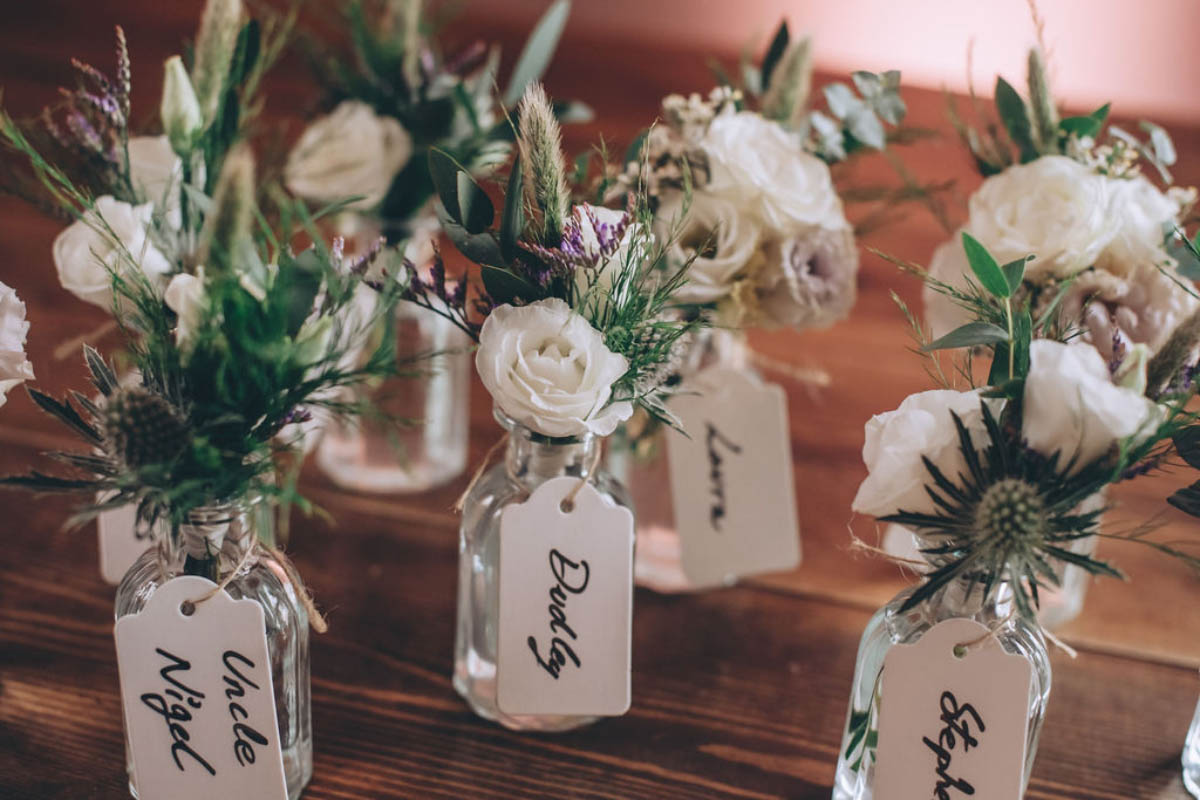
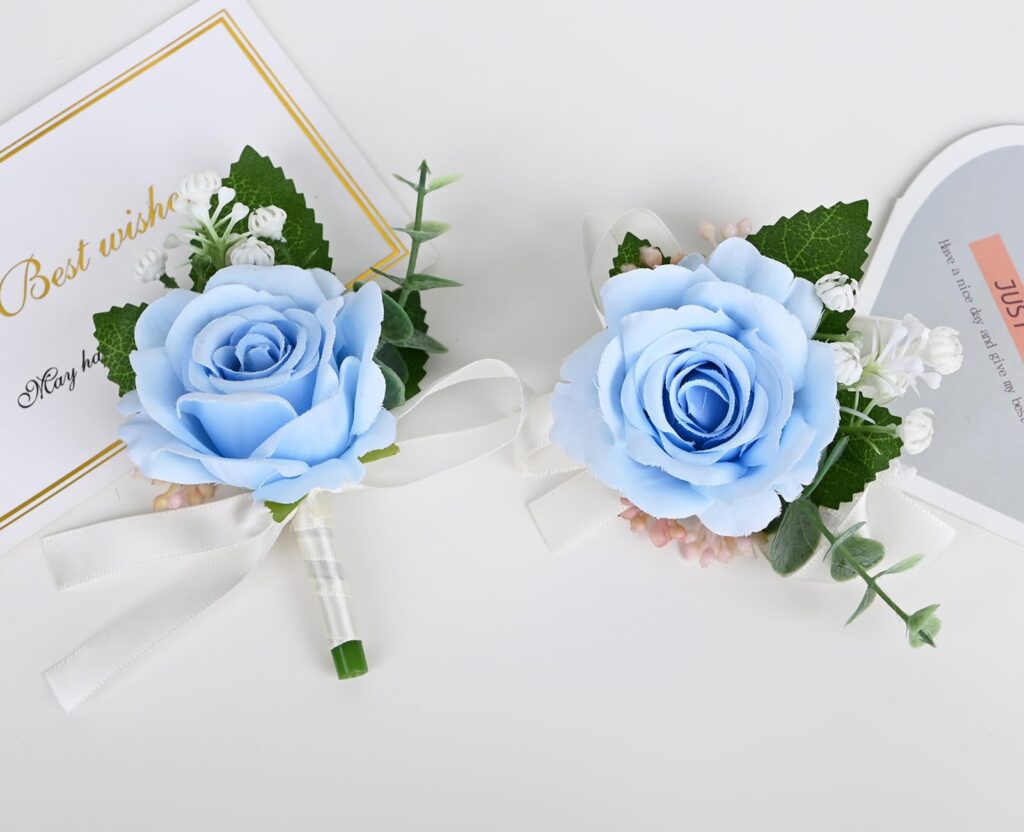
A single focal bloom with a small amount of foliage, wired or taped, worn on the left lapel.

Worn by: grooms, groomsmen, fathers, grandfathers, ushers, formal dates, funeral pallbearers.

The groom’s buttonhole is traditionally slightly larger or distinguished by one different element, so he reads as the groom in photographs.

Pin-On Corsage

A small cluster worn pinned at the shoulder or on a jacket lapel.

Worn by: mothers, grandmothers, honoured guests. Classic, but it does require pinning through fabric, which not everyone likes.

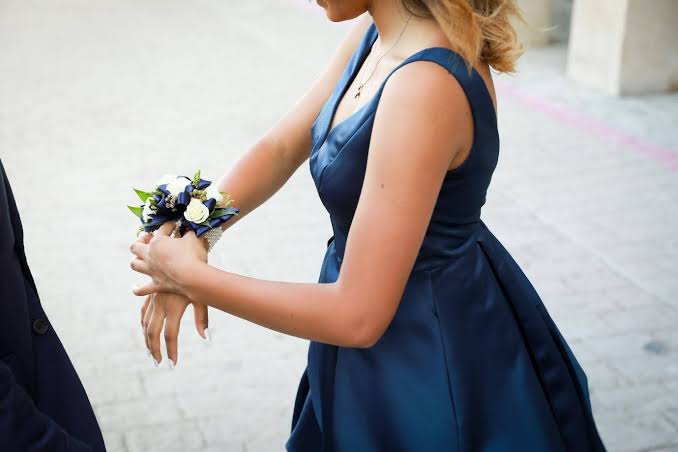
Wrist Corsage

A cluster mounted on an elasticated band, ribbon or beaded cuff, worn on the wrist.

Worn by: formal and school-dance attendees, mothers who would rather not pin, and anyone in delicate fabric.

This is now the most requested corsage format by a wide margin.

Handheld Mini Posy

A tiny bouquet instead of a corsage. Increasingly popular for mothers and for flower girls, and it avoids the pinning question entirely.

Bag or Belt Corsage

A small cluster clipped to a handbag or belt. Modern and practical.
Corsages and Buttonholes: The Small Pieces That Get Noticed Most

Which Flowers Actually Survive

This is the whole game with corsages and buttonholes. A pinned flower has minimal water, sits against body heat, and gets hugged repeatedly.

Excellent, all day, no fuss: orchids (cymbidium, dendrobium, phalaenopsis), succulents, waxflower, thryptomene, leucadendron, banksia, gum nuts, carnations, spray carnations, statice, dried and preserved elements.

Good with care: spray roses, lisianthus, hypericum berries, alstroemeria.

Poor choices: gardenias (bruise if you look at them), open garden roses, hydrangea florets, sweet peas, anemones, ranunculus in heat.

My standing recommendation for a Sydney summer wedding: cymbidium orchid or a native element, with dried or preserved foliage. It will look identical at midnight to how it looked at 10am.

The Case for Dried and Preserved

This is the single best upgrade available for corsages and buttonholes, and most people do not know it is an option.

Dried and preserved pieces cannot wilt, cannot brown, and cannot bruise. They can be made weeks in advance, which removes an entire item from the wedding-morning critical path. And they are keepsakes afterwards.

Cost is comparable to fresh, sometimes slightly less. For an outdoor summer wedding, or a long day with a lot of travel between locations, dried is simply the better product.

A hybrid works too: dried foliage and pods with one fresh focal bloom added on the morning.

Fitting and Wearing

Buttonholes go on the left lapel, stem pointing down, secured with a pearl-headed pin from behind the lapel so no pin shows. Two pins for anything larger than a single bloom.

Pin-on corsages go on the left shoulder, flowers pointing up, pinned from underneath the fabric.

Wrist corsages go on the left wrist for right-handed wearers, so they are not crushed while eating or shaking hands.

Pack spare pins. Always. Pins go missing between the getting-ready room and the ceremony without fail.

Ordering for Different Occasions

Weddings

Count carefully. Groom, groomsmen, both fathers, grandfathers, ushers, readers, and often the celebrant. Then mothers and grandmothers for corsages.

It is normally more than people first estimate, and it is one of the most commonly under-ordered items.

While you are organising the day, do not lose sight of the paperwork. New South Wales requires a Notice of Intended Marriage lodged at least one month before the ceremony, and the state’s guide to marriage requirements in NSW sets out eligibility, documents and witnesses.

School Formals and Debutante Balls

Wrist corsages for the girls, buttonholes for the boys, usually matched to dress colour. Order two to three weeks ahead, because formal season is a genuine crunch period for florists.

Ask for robust flowers. A formal is a long night with a lot of dancing.

Funerals

Single-bloom buttonholes for pallbearers and immediate family. Usually white, cream or a colour the person loved. Restrained and simple.

Milestone Birthdays and Anniversaries

A corsage for the guest of honour is a lovely, old-fashioned touch that has largely fallen out of use. It works beautifully at a fiftieth or a ninetieth.

Pricing Guide

Buttonhole: $18 to $40 depending on the bloom and whether it is dried.

Groom’s buttonhole: $25 to $50, usually slightly more elaborate.

Pin-on corsage: $35 to $70.

Wrist corsage: $45 to $85, depending on the cuff.

Handheld mini posy: $45 to $90.

Dried versions: broadly comparable, sometimes slightly less.
Corsages and Buttonholes: The Small Pieces That Get Noticed Most

The Craft Behind Them

Good corsages and buttonholes are a wiring and mechanics exercise. Each element is individually wired, taped, then assembled so the piece is light, balanced and will not shed. Done badly, it comes apart in an hour.

That technique sits on top of real plant knowledge: knowing which blooms tolerate being out of water and for how long. Western Sydney University’s horticultural science program covers postharvest handling, plant physiology and plant protection, which is precisely the understanding behind why an orchid survives a wedding and a gardenia does not.

It is also why a $30 buttonhole from a skilled florist outlasts a $30 one from a shop that does not wire properly.

Storage on the Day

Keep them in the fridge in a sealed container until an hour before wearing. Not the freezer, and not touching the back wall.

Do not store them next to fruit. Ethylene from ripening produce will finish a small flower piece quickly.

Dried versions need none of this, which is a large part of their appeal.

Frequently Asked Questions

How far ahead should I order corsages and buttonholes?

Two to three weeks for formals, and with the rest of your wedding flowers otherwise. Dried versions can be made months ahead.

Which flowers last longest in a buttonhole?

Orchids, natives, waxflower, carnations and anything dried or preserved. They will look the same at midnight.

Wrist or pin-on corsage?

Wrist, for most people. No pinning through delicate fabric and far less likely to be crushed.

Should the groom’s buttonhole be different?

Yes, subtly. Slightly larger, or one distinguishing element, so he reads as the groom in photographs.

Can they be made in advance?

Dried, yes, weeks ahead. Fresh, no. They are made on the day or the evening before and kept refrigerated.

How many do I need for a wedding?

More than you think. Count groom, groomsmen, both fathers, grandfathers, ushers, readers and the celebrant, plus corsages for mothers and grandmothers.

The Takeaway

Corsages and buttonholes get photographed at close range for hours, so choose flowers that can take it: orchids, natives, waxflower, or dried and preserved elements.

Order more than you think you need, go wrist rather than pin-on, pack spare pins, and keep them cool until an hour before wearing.
Florist Mosman: Flowers, Delivery and Local Knowledge

Mosman is a suburb of gardens. Big blocks, mature trees, sandstone, and a harbour foreshore that runs from Balmoral around through Clifton Gardens to Chowder Bay.

That matters when you are choosing a florist Mosman locals actually use. This is a suburb where people know plants, where garden weddings are common, and where a bouquet built from ordinary imported stems gets noticed for the wrong reasons.

Here is the local picture.

Why Local Wins Here

Mosman sits at the centre of a tight delivery cluster: Balmoral, Clifton Gardens, Beauty Point, Cremorne, Neutral Bay, Cammeray, North Sydney, and across to Seaforth, Balgowlah and Manly.

A florist based here can serve all of it on one afternoon loop. The practical benefits:

Later same-day cut-offs, because the drives are short.

Cooler flowers, which is the single biggest factor in vase life through a Sydney summer.

Local knowledge, including which streets have brutal driveways and which harbourside addresses need a walk from the road.

Order from a national relay site and you get none of that. Your order goes to whoever is available, and the flowers travel further than they should.

Florist Mosman: Flowers, Delivery and Local Knowledge

Mosman Delivery Notes

Unlike the apartment-dense suburbs nearby, Mosman is largely houses, and that changes the brief.

Note steep driveways. There are a lot of them, particularly toward Balmoral and Beauty Point.

Flag long walks from the street. Some harbourside properties are a genuine hike from the nearest parking.

Include the recipient’s mobile. Still essential, even for houses.

Name a shaded place to leave flowers. Summer doorsteps in full sun will destroy a bouquet in an hour.

Note gates and dogs. Both are common and both slow a driver down.

A good florist Mosman residents use will confirm these details when the order is placed.

What Is In Season

Spring (September to November): ranunculus, tulips, sweet peas, stock, boronia, waratah, blossom branches. The best value of the year.

Summer (December to February): dahlias, hydrangeas, sunflowers, gerberas, lisianthus, natives. Heat is the constraint.

Autumn (March to May): chrysanthemums, late dahlias, proteas, banksia, berried foliage. The longest-lasting season.

Winter (June to August): tulips, ranunculus, anemones, hellebores, flowering gum, native foliage. Excellent longevity and beautiful structure.

Give a budget and a mood rather than a shopping list. “Designer’s choice from the best stems today” always produces a fuller bouquet than picking a fixed photograph.

Balmoral and Clifton Gardens Weddings

Mosman contains two of Sydney’s most popular ceremony locations, and both come with the same warning: wind.

Balmoral, Clifton Gardens and the foreshore reserves get reliable afternoon breeze. Any florist Mosman couples engage for a harbourside wedding needs to answer one question convincingly: how will the installation be secured?

The right answers involve weighted or staked structures, structural stems (proteas, banksia, gum, gladioli) and setting up as late as the venue and council permit.

Also check permits. Ceremonies in council reserves generally require one, with rules about staking, vehicle access and confetti.

Natives, and Why Mosman Gardeners Love Them

This is a suburb full of people who know what a waratah is. Native arrangements land particularly well here.

Banksia, waratah, flowering gum, kangaroo paw, geraldton wax, leucadendron and native foliage are structural, dramatic, heat-tolerant and wind-tolerant. They run two to four weeks in a vase and dry beautifully afterwards.

The wider field is serious too. The University of Melbourne’s Master of Urban Horticulture covers urban vegetation, green space design and the environmental, social and health value of planting in cities, which is essentially the professional version of what Mosman residents do in their own gardens.

For a gift to a keen gardener, a native arrangement beats imported roses every time.

Summer Heat

Between December and March, ask for heat-tolerant stems: natives, chrysanthemums, carnations, orchids, gerberas and lisianthus.

Book a morning delivery slot where possible. Avoid hydrangeas, garden roses, sweet peas and anemones for unattended afternoon deliveries.

Once inside, keep the vase away from west-facing windows and air-conditioning vents. Both will halve the vase life.

What Happens to the Stems Afterwards

Spent flowers are garden organics, not general waste. Mosman Council’s household green waste service takes dead flowers, prunings and garden material and processes it into compost and mulch.

Given how many Mosman households already garden seriously, this is an easy loop to close. Foliage and woody native stems can also go straight into a home compost or be chipped for mulch.

Aftercare

  1. Unwrap immediately and re-cut each stem two centimetres on a sharp angle.
  2. Strip foliage that would sit below the waterline.
  3. Clean vase, fresh cool water.
  4. Change the water every second day and re-trim.
  5. Keep away from direct sun, heaters, vents and fruit bowls.
  6. Remove spent stems as they go.

Ten to fourteen days is standard for a good seasonal bouquet. Natives go well beyond that.

What Locals Order

Gift bouquets and vase arrangements for birthdays, anniversaries, new babies, thank-yous and sympathy.

Weekly subscriptions for homes, medical suites, salons and offices. The best value in floristry, because the florist can buy volume and plan the route.

Wedding and event work, particularly for Balmoral, Clifton Gardens and private garden ceremonies.

Corporate accounts for businesses along Military Road and Spit Junction.

Florist Mosman: Flowers, Delivery and Local Knowledge

Frequently Asked Questions

What is the same-day cut-off in Mosman?

Lower North Shore florists often hold a later cut-off than cross-harbour deliveries. Order before late morning to be safe.

Do you deliver to Balmoral and Clifton Gardens?

Yes, both are short local runs. Note any long walks from the street for larger arrangements.

What flowers suit a Mosman garden wedding?

Structural, wind-tolerant stems: proteas, banksia, gum, gladioli, delphinium. And a secured installation.

How much should I spend on a gift bouquet?

$75 to $110 delivered reads as a proper gift. $55 to $70 covers a thoughtful smaller gesture.

Can I set up a weekly delivery?

Yes. Subscriptions are standard and the best value per stem available.

What lasts the longest?

Australian natives, then chrysanthemums, carnations and orchids. Two to four weeks with basic care.

The Takeaway

A good florist Mosman locals return to is one inside the cluster: short drives, later cut-offs, cooler flowers and a driver who knows the driveways.

Buy in season, take natives seriously, secure anything installed near the water, and put your green waste in the right bin afterwards.