
Pebbles and Piggy Tails

What Daily Life Can Look Like Living With an Addict

What makes it so hard is the uncertainty. One day they might be affectionate and present. The next, they might disappear, lash out, or promise change without follow-through, leaving everyone else to carry the consequences of living with an addict.

What does a “good day” look like when they are living with an addict?

A good day often means fewer surprises, fewer arguments, and no urgent problems to solve. In homes where they are living with an addict, a good day can still feel tense because everyone is waiting for the mood to shift.

They might notice small wins like getting to work on time, eating dinner together, or paying a bill. But even on calmer days, others may still monitor behaviour, check messages, or quietly scan for signs that relapse is near.

What does a typical morning feel like in a household living with an addict?

Mornings can start with uncertainty about whether they will wake up functional, irritable, or absent. When living with an addict, the day may begin with checking if they have money, keys, or access to a car.

Some households move quietly to avoid conflict. Others rush through school drop-offs and commutes while managing last-minute crises, like them being too unwell to work or needing help covering something they forgot.

Why do plans change so often when they are living with an addict?

Plans change because addiction often takes priority over family schedules, responsibilities, and promises. In many Australian households, living with an addict means birthdays, barbecues, and weekend trips can be cancelled at the last minute.

They might make commitments while sober, then disappear, sleep through them, or arrive intoxicated. Over time, others may stop inviting friends over or avoid making plans at all, just to reduce embarrassment and stress.

How does communication shift when they are living with an addict?

Communication often becomes careful, coded, or conflict-driven. When living with an addict, they may learn to choose words to avoid setting off anger, denial, or shutdown.

Some families rely on short texts instead of face-to-face talks. Others avoid certain topics entirely, like money, missing items, or drug use. The result is a home where important issues stay unresolved, and everyday conversation becomes strained.

What Daily Life Can Look Like Living With an Addict

What happens to trust in relationships when they are living with an addict?

Trust is often eroded through broken promises, secrecy, and repeated incidents. For people living with an addict, trust can become a daily negotiation rather than a stable foundation.

They might check bank balances, count medication, or notice unexplained gaps in stories. Even when the person using substances is trying, others may struggle to believe it, because trust has already been damaged by many cycles of hope and disappointment.

How do finances get affected when they are living with an addict?

Money stress is common, including unpaid bills, missing cash, debt, and sudden emergencies. In Australia, living with an addict can mean juggling rent or mortgage payments while also covering fines, medical costs, or lost income.

They might lend money to “fix” a crisis, then realise it disappears into substance use. Others may take on extra shifts, drain savings, or hide cards and passwords just to keep the household stable.

What does it do to parenting and children when they are living with an addict?

Children often adapt by becoming quiet, anxious, or overly responsible. When they are living with an addict, kids may learn to read moods fast, avoid certain rooms, or act like everything is fine at school.

Some children take on adult roles, helping with siblings, meals, or emotional support. Others withdraw. Even when no one talks about it, kids often sense the tension and may blame themselves for the instability.

How can household roles change when they are living with an addict?

Roles can shift so that one person becomes the fixer, the peacekeeper, or the enforcer. In families living with an addict, they may end up doing extra chores, managing appointments, and carrying emotional labour for everyone.

They might find themselves cleaning up messes, contacting employers, or making excuses to friends and relatives. Over time, the impact of addiction on families can become so significant that the household starts revolving around managing the person’s substance use instead of sharing responsibilities in a balanced way.

What does conflict look like when they are living with an addict?

Conflict can be sudden, intense, and repetitive, often following the same patterns. When living with an addict, disagreements may start over small issues, then escalate into accusations, shouting, or threats.

Sometimes the conflict is followed by apologies and promises, which can create a confusing cycle. Others may avoid conflict entirely, which can look “calm” on the surface but feel emotionally unsafe underneath.

Why do they feel like they are always “on alert” when living with an addict?

Hypervigilance is common because the household learns that anything can change quickly. For many people living with an addict, they are constantly scanning for tone, footsteps, phone calls, or signs of intoxication.

They might sleep lightly, keep the ringer on, or worry when the person is late. Even quiet moments can feel stressful, because calm can be mistaken for the pause before another crisis.

What happens socially when they are living with an addict?

Social life often shrinks due to shame, unpredictability, or fear of judgement. When living with an addict, they may avoid inviting friends over, skip family events, or stop answering calls.

They might cover for missed gatherings or make excuses repeatedly, which strains friendships. Some people become isolated because it feels easier than explaining what is happening at home.

How can mental health suffer when they are living with an addict?

Anxiety, depression, burnout, and trauma symptoms are common in households affected by addiction. For those living with an addict, stress can become constant, making it hard to concentrate, sleep, or enjoy everyday life.

They may feel guilt for being angry, grief for what has changed, and fear about what might happen next. Over time, the strain can affect work performance, relationships, and physical health.

What does “helping” look like when they are living with an addict?

Helping can range from practical support to repeated rescue attempts that keep the cycle going. In many cases of living with an addict, they might drive them to appointments, cover debts, or smooth over consequences.

Sometimes this support is necessary and compassionate. Other times, it becomes enabling, especially when help removes natural consequences. The line is often hard to see when they are exhausted and simply trying to keep the household functioning.

How do boundaries work when they are living with an addict?

Boundaries are what protect safety, money, and wellbeing, even when the person using substances is upset. For people living with an addict, boundaries might include not lending money, not allowing drug use in the home, or requiring respectful communication.

They work best when they are clear, realistic, and consistently enforced. If boundaries change daily, the household stays stuck in negotiation, and the addiction continues to set the rules.

When should they think about safety and emergency support while living with an addict?

They should prioritise safety when there are threats, violence, severe intoxication, overdose risk, or unsafe driving. In Australia, anyone living with an addict can call 000 in an emergency, especially if someone is unresponsive or in immediate danger.

They can also consider a safety plan, such as a trusted neighbour, a packed bag, and a place to go if things escalate. Safety planning is not overreacting; it is practical protection.

What support options exist in Australia for people living with an addict?

Support exists, even if it feels hard to access at first. For Australians living with an addict, options can include GP referrals, local Alcohol and Other Drug (AOD) services, counselling, and peer support.

They can also contact national and state-based helplines, including Family Drug Support (FDS) and Al-Anon for families affected by alcohol. If there are children involved, they may also seek support through school wellbeing teams or community health services.

What can daily life look like if recovery starts while living with an addict?

If recovery begins, daily life can gradually become more predictable, but it often stays fragile for a while. For households living with an addict, early recovery may involve new routines, therapy appointments, relapse prevention, and rebuilding trust.

They may notice more honest conversations and fewer crises, but also heightened anxiety about relapse. Progress often comes in small steps, and families may need their own support to heal alongside the person in recovery.

What should they remember if they are living with an addict right now?

They are not responsible for causing addiction, and they cannot control it through love, anger, or sacrifice. What it looks like to help someone with addiction is focusing on safety, setting clear boundaries, and getting appropriate support for themselves, especially when living with an addict becomes overwhelming.

Daily life can improve, but it usually requires more than promises. It requires consistent action, professional help, and a plan that supports everyone in the household, not only the person using substances.

What Daily Life Can Look Like Living With an Addict

FAQs (Frequently Asked Questions)

What does daily life look like for someone living with an addict?

Daily life in a home affected by addiction often appears normal from the outside but feels unpredictable and exhausting inside. Those living with an addict constantly adjust routines, moods, money, and plans to accommodate the substance use, facing uncertainty about mood shifts, disappearances, or broken promises.

How do mornings typically feel in a household where someone is living with an addict?

Mornings can start with uncertainty about whether the person using substances will be functional, irritable, or absent. Families may quietly check essentials like money or keys and manage last-minute crises such as illness or forgotten responsibilities, often moving cautiously to avoid conflict.

Why do plans often change unexpectedly when living with an addict?

Addiction frequently takes priority over family schedules and commitments. This can lead to last-minute cancellations of events like birthdays or trips, missed appointments due to intoxication or absence, and a tendency for others to avoid making plans to reduce stress and embarrassment.

How does communication change within families living with an addict?

Communication often becomes cautious, coded, or conflict-driven. Family members may choose words carefully to prevent anger or denial, rely on brief texts instead of face-to-face talks, and avoid sensitive topics like money or drug use. This leads to unresolved issues and strained everyday conversations.

What impact does living with an addict have on trust in relationships?

Trust is frequently eroded due to broken promises, secrecy, and repeated disappointments. Those living with an addict may find themselves constantly verifying information or monitoring behavior. Even sincere efforts by the person using substances can be met with skepticism because of past cycles of hope and letdown.

How are finances affected when living with someone struggling with addiction?

Money stress is common and includes unpaid bills, missing cash, debt, and sudden emergencies. Families may juggle rent or mortgage payments alongside unexpected costs like fines or medical bills. They might lend money to address crises only to see it diverted into substance use, leading others to work extra shifts or hide financial resources to maintain stability.


What It Looks Like to Help Someone With Addiction

Helping someone through addiction is rarely one big dramatic moment. It is usually a series of small, consistent choices that protect safety, support change, and respect their dignity. In Australia, it also means knowing where to point them for real help, from GPs and local health services to confidential helplines.

This guide shows what it looks like to help someone with addiction in everyday life, using clear actions they can take and words they can use.

What does it actually look like to help someone with addiction day to day?

What it looks like to help someone with addiction is steady support, not control. They show up, listen, set boundaries, and encourage professional care even when progress is slow.

Day to day, they might check in after work, drive them to a GP appointment, or sit with them during cravings without debating or shaming. They keep conversations calm, repeat the same key message, and avoid threats they cannot follow through.

How can they recognise addiction without turning into the “addiction police”?

They can look for patterns that persist, escalate, and cause harm, rather than focusing on a single bad night. Understanding how to help someone with addiction means recognising when substance use is affecting work, money, relationships, health, or safety and taking those signs seriously.

They might notice secrecy, withdrawal from family, mood swings, missed responsibilities, unexplained injuries, or risky driving. In Australia, heavy drinking can be normalised socially, so they can pay attention to consequences, not stereotypes.

What should they say in the first serious conversation?

They should speak early, clearly, and kindly, using specific examples and a simple ask. What it looks like to help someone with addiction at this point is staying calm while being honest about impact.

Useful phrasing includes: “They’ve seemed different lately, and there’s worry about their safety,” and “They deserve support, and it would help to talk to a GP this week.” They can avoid diagnosing, lecturing, or recounting every past mistake.

What It Looks Like to Help Someone With Addiction

How do they listen without enabling?

They can listen for feelings and needs, not for excuses to argue with. Enabling usually happens when they protect them from consequences or repeatedly rescue them from predictable crises.

Support looks like empathy plus limits: “That sounds awful, and they are not alone,” alongside “They will not be given cash,” or “They cannot stay here if there is use in the home.” What it looks like to help someone with addiction is compassion paired with follow-through.

Where do they draw boundaries that actually help?

They can set boundaries around safety, money, children, and the home environment. Boundaries work best when they are specific, realistic, and communicated ahead of time.

For example, they can refuse to ride in a car if they have been drinking, or require sober visits around kids. They can also step back from covering rent gaps caused by gambling or substances. What it looks like to help someone with addiction is choosing boundaries that reduce harm, not punish.

How can they respond when the person denies there is a problem?

They can avoid trying to “win” the argument and instead return to observable facts and a next step. Denial often protects shame, fear, and identity, so pressure can backfire.

They can say, “They do not have to agree with the label, but the consequences are real,” and ask for one action like a GP check-up or a counselling appointment. What it looks like to help someone with addiction here is patience without pretending nothing is wrong.

What role does a GP or health professional play in Australia?

A GP is often the most practical first step because they can assess risk, mental health, and physical dependence. They can also write a Mental Health Treatment Plan for Medicare-subsidised psychology sessions and refer to local AOD services.

In many Australian communities, Healthdirect, Primary Health Networks, and state services can connect people with outpatient counselling, detoxification options, and support groups. Finding addiction treatment and support in Australia can make professional assistance easier to access rather than leaving families to manage the situation alone.

What should they do if there is immediate danger or a crisis?

If there is a medical emergency, overdose, severe withdrawal, violence, or suicidal risk, they should prioritise safety over privacy. In Australia, they can call 000 for urgent emergencies.

If they are unsure, they can call health advice lines and follow guidance. They can also remove themselves and others from unsafe spaces, especially where children are present. What it looks like to help someone with addiction in a crisis is acting fast and not bargaining with danger.

How can they help with treatment choices without taking over?

They can offer options, transport, admin help, and moral support, while letting them choose and commit. Taking over can create resentment and reduce ownership, especially after the immediate crisis passes.

They might help compare local counselling, outpatient programs, residential rehab, or peer support, then ask, “Which one feels doable this week?” What it looks like to help someone with addiction is being a partner, not a manager.

What does support look like when relapse happens?

Relapse is common and does not automatically mean failure. They can treat it as a signal that the plan needs adjustment, not as proof that change is impossible.

They can ask what triggered it, what helped even a little, and what support needs to change, such as more frequent counselling or avoiding certain social settings. What it looks like to help someone with addiction is responding firmly to risk while keeping hope realistic.

How do they support someone with addiction while protecting children and family life?

They can prioritise stable routines, emotional safety, and clear house rules. If there is chaos or unpredictability, children often carry the stress, even if no one talks about it.

They can keep adult conversations private, avoid asking children to “monitor” them, and seek family support services if needed. If safety is compromised, they may need supervised contact or separate living arrangements. What it looks like to help someone with addiction is protecting dependants without demonising the person.

How can they handle money, housing, and practical support without fuelling the addiction?

They can replace cash help with practical help that cannot be easily converted into substances. This might include groceries, paying a bill directly, or supporting attendance at appointments.

If housing is involved, they can set conditions tied to safety, like no use in the home and respectful behaviour. What it looks like to help someone with addiction is reducing risk while still keeping the door open for change.

What support can they get for themselves in Australia?

They do not have to do this alone, and they should not. What it looks like to help someone with addiction also includes carers getting support for stress, burnout, and trauma.

They can speak with their own GP, access counselling, and contact Australian services for advice and referrals. Options include Family Drug Support (FDS), Al-Anon for alcohol-related family impact, Gambler’s Help for gambling harm, and state-based alcohol and drug information services.

How do they know whether they are helping or just being worn down?

They can track whether their actions increase safety and treatment engagement, or whether they are stuck in repeated crises with no boundaries. Being worn down often shows up as anxiety, sleep problems, constant vigilance, or social withdrawal.

They can ask, “Is their support making it easier for them to get help, or easier to keep using?” What it looks like to help someone with addiction is sustainable support that does not destroy the helper.

What does “success” look like beyond sobriety?

Success can include fewer harms, earlier help-seeking, better mental health care, safer relationships, and more honesty. Many people move through stages, and progress can be uneven.

They can celebrate practical wins like attending appointments, taking medication as prescribed, or re-engaging with work or study. What it looks like to help someone with addiction is recognising real progress while staying alert to risk.

What are simple next steps they can take this week?

They can choose one conversation, one boundary, and one professional contact point. Small steps done consistently often beat grand promises.

A workable plan can include encouraging them to see a GP, offering transport, avoiding direct cash support, and saving key crisis and counselling numbers in the phone. What daily life can look like living with an addict may involve taking practical steps that are calm, clear, and repeatable while maintaining appropriate boundaries.

What It Looks Like to Help Someone With Addiction

FAQs (Frequently Asked Questions)

What does helping someone with addiction look like in everyday life?

Helping someone with addiction involves steady support rather than control. It includes showing up, listening, setting boundaries, and encouraging professional care even when progress is slow. Day-to-day actions might be checking in after work, driving them to GP appointments, or sitting with them during cravings without shaming or debating.

How can I recognize signs of addiction without acting like the “addiction police”?

Look for persistent patterns that escalate and cause harm, such as impacts on work, money, relationships, health, or safety. Notice secrecy, withdrawal from family, mood swings, missed responsibilities, unexplained injuries, or risky driving. Focus on consequences rather than single incidents or stereotypes.

What should I say during the first serious conversation about addiction?

Speak early, clearly, and kindly using specific examples and a simple ask. Use calm and honest language like: “They’ve seemed different lately, and there’s worry about their safety,” or “They deserve support and it would help to talk to a GP this week.” Avoid diagnosing, lecturing, or recounting past mistakes.

How do I listen empathetically without enabling addictive behavior?

Listen for feelings and needs rather than excuses to argue. Avoid protecting them from consequences or repeatedly rescuing them from crises. Pair compassion with limits by acknowledging their struggle while setting clear boundaries such as not giving cash or prohibiting substance use at home.

Where should I draw boundaries that actually help someone with addiction?

Set specific, realistic boundaries around safety, money, children, and the home environment. For example, refuse to ride in a car if they’ve been drinking or require sober visits around kids. Step back from covering rent gaps caused by gambling or substances. Boundaries should reduce harm without punishing.

What role do GPs and health professionals play in supporting addiction recovery in Australia?

GPs are often the practical first step; they assess risk, mental health, and physical dependence. They can provide Mental Health Treatment Plans for Medicare-subsidised psychology sessions and refer to local Alcohol and Other Drugs (AOD) services. Healthdirect and state services also connect people to counselling, detox options, and support groups.

cost of sleep study brisbane
Brisbane Sleep Study Cost Compared Across Public and Private Options

Trying to price a sleep test can feel oddly hard, because “sleep study” can mean several different services, settings, and levels of monitoring. This guide breaks down what affects pricing and how Brisbane sleep study cost compares across public and private pathways in Queensland.

They should treat this as general information only, since exact fees vary by clinic, hospital, and the type of test ordered by a GP or sleep physician. Still, the ranges below help people budget and ask the right questions before booking.

What does “Brisbane sleep study cost” usually include?

In most cases, it includes the sleep test itself plus the clinician time needed to score, interpret, and report results. It may also include equipment hire, consumables, and a follow-up appointment, but those parts are not always bundled.

To avoid surprises, they should ask for an itemised quote that separates the test, reporting, and consult fees. That is often the clearest way to compare cost of sleep study Brisbane between providers.

What types of sleep studies are offered in Brisbane?

Brisbane providers typically offer three common options: in-lab polysomnography, home sleep testing, and limited overnight oximetry. In-lab tests are the most comprehensive, while home tests are usually aimed at diagnosing obstructive sleep apnoea.

Because complexity and staffing needs differ, pricing can vary widely. The test type is one of the biggest drivers of Brisbane sleep study cost.

How does a public hospital sleep study work in Brisbane?

Public hospital pathways usually start with a GP referral to a public outpatient respiratory or sleep clinic. If a sleep study is deemed necessary, they may be placed on a waiting list for testing and review.

The key benefit is cost, because Medicare covers eligible public hospital care. The trade-off is time, since waiting periods can be longer depending on demand and clinical urgency.

What is the cost of a public sleep study in Brisbane?

For eligible patients using the public system, the sleep study and associated public outpatient care are commonly low-cost or no-cost. Their out-of-pocket expense is often limited to standard GP visit fees and incidental costs like travel or parking.

Even so, it is worth confirming what is included locally, because some services can involve separate billing for certain appointments. This difference can shift the real-world Brisbane sleep study cost for their situation.

What are the typical wait times for public sleep studies in Brisbane?

Public wait times vary, and they can be influenced by severity of symptoms, comorbidities, and service capacity. People with high-risk symptoms may be triaged faster than those with milder presentations.

If they need results quickly for work, driving safety, surgery clearance, or urgent health reasons, waiting time becomes a practical cost. In those cases, Brisbane sleep study cost in the private system may be weighed against delays.

How does a private sleep study pathway work in Brisbane?

Private pathways usually involve a GP referral to a private sleep physician or clinic, or a direct booking for a home sleep test depending on provider policies. They typically get testing sooner, and follow-up appointments can be scheduled quickly.

Private care can be more straightforward for people who want speed and choice of provider. That convenience is a major reason some accept a higher Brisbane sleep study cost.

What is the price range for a private in-lab sleep study in Brisbane?

Private in-lab polysomnography is often the most expensive option because it requires a sleep lab, overnight staff, and extensive scoring. In Brisbane, a typical ballpark range can be from about $1,200 to $3,000+ depending on the facility, inclusions, and whether they are self-funded.

They should confirm whether the quote includes the sleep physician’s interpretation and a follow-up review. Bundling policies can significantly change their final Brisbane sleep study cost.

cost of sleep study brisbane

What is the price range for a private home sleep study in Brisbane?

Private home sleep tests are usually less expensive than in-lab studies, particularly when they are focused on suspected obstructive sleep apnoea. A common range in Brisbane is roughly $250 to $700, though some clinics package the test with consults, which can raise the total.

Home testing is often positioned as a convenient and cost-effective first step. For many, this is where Brisbane sleep study cost feels most manageable without sacrificing access.

What about overnight oximetry and screening tests in Brisbane?

Overnight oximetry is sometimes used as a screening tool or to track oxygen levels during sleep, but it is not a full diagnostic sleep study. Pricing is often lower, sometimes from around $50 to $200 depending on whether it is done through a clinic, hospital, or equipment provider.

If they are comparing quotes, they should confirm what the test can and cannot diagnose. Otherwise, a low fee may not reflect a comparable Brisbane sleep study cost for their clinical question.

What Medicare rebates apply to private sleep studies in Brisbane?

Medicare rebates can apply to certain sleep study items when the service meets Medicare requirements and is billed appropriately. The rebate may reduce out-of-pocket costs, but it rarely covers the full private fee.

They should ask the clinic which Medicare item numbers apply and what the expected gap is. This helps them estimate Brisbane sleep study cost accurately rather than relying on headline prices.

How do private health funds affect sleep study costs in Brisbane?

Private health insurance may cover some in-hospital charges for in-lab studies if the provider is recognised and the policy includes the relevant hospital cover. However, there may still be gaps for specialist consults, scoring, and device fees.

They should check excess, co-payments, and whether the sleep lab has an agreement with their fund. Insurance can reduce Brisbane sleep study cost, but it can also introduce complexity if they assume it covers everything.

What extra fees should they expect beyond the sleep study itself?

Common add-ons include an initial sleep specialist appointment, a follow-up review, and reports required for workplaces or licensing. If treatment is recommended, there may be additional costs such as CPAP trials, rental, purchase, and mask fitting.

It is also common for clinics to charge separately for expedited reporting. These extras can meaningfully change the final Brisbane sleep study cost even when the test fee looks reasonable.

How does CPAP treatment change the overall cost picture in Brisbane?

If they are diagnosed with obstructive sleep apnoea, treatment costs can become the bigger long-term expense than the test itself. CPAP machines in Australia can vary widely in price, and masks and consumables need ongoing replacement.

Some providers offer CPAP trials or bundled programs that include follow-up support. When they budget, they should view Brisbane sleep study cost as the entry point, not the whole journey.

When is an in-lab study worth the higher price in Brisbane?

In-lab polysomnography can be important when the case is complex, symptoms suggest more than straightforward obstructive sleep apnoea, or when prior home testing is inconclusive. It can also be recommended for suspected parasomnias, periodic limb movement disorder, or certain breathing disorders.

They should follow clinical advice rather than choosing on price alone. Sometimes the higher upfront Brisbane sleep study cost avoids repeat testing later. Read more about Sleep studies information.

When is a home sleep study the better value option in Brisbane?

Home testing can be good value when they have a high likelihood of obstructive sleep apnoea and no major complicating factors. It is also appealing for people who sleep poorly in unfamiliar environments or want minimal disruption.

The best value comes when the test is appropriately matched to the clinical question. If home testing is likely to be adequate, Brisbane sleep study cost can be kept much lower without delaying diagnosis.

How can they compare quotes fairly between Brisbane providers?

They should compare like-for-like by checking the test type, what sensors are used, who interprets the data, and whether follow-up is included. They should also ask about turnaround time, repeat testing policies, and what happens if the recording is incomplete.

An itemised quote makes these differences visible. Without it, Brisbane sleep study cost comparisons can be misleading because one provider may bundle services that another bills separately.

What questions should they ask a Brisbane clinic before booking?

They can ask whether the fee includes scoring, interpretation, and a written report, and whether a sleep physician is involved. They can also ask what Medicare rebate is expected, what their likely gap will be, and whether there are extra consult fees.

They should also ask about timelines and cancellation policies. These details often matter as much as Brisbane sleep study cost.

cost of sleep study brisbane

What should they do if cost is a barrier in Brisbane?

They can start by discussing options with a GP, including referral to public services where appropriate. Some private clinics also offer lower-cost home testing, payment plans, or packages that reduce overall gaps.

They can also ask whether a staged approach is possible, such as starting with home testing and escalating only if needed. That approach can keep Brisbane sleep study cost aligned with their needs.

What is the simplest takeaway on public versus private costs in Brisbane?

Public pathways can be low-cost but slower, while private pathways are usually faster but come with higher out-of-pocket spending. The best choice depends on urgency, clinical complexity, and budget.

If they focus on test type, inclusions, and likely gaps, they can make a clear comparison. That is the most practical way to understand Brisbane sleep study cost across Brisbane’s public and private options.

More to Read : Why Does Sleep Study Adelaide Cost Vary Between Clinics?

sleep study cost adelaide
Why Does Sleep Study Adelaide Cost Vary Between Clinics?

People often assume one sleep test should cost the same everywhere. In reality, sleep study Adelaide cost can shift a lot between clinics because the service model, test type, inclusions, and reporting pathway are not identical across providers.

In Adelaide and across Australia, pricing also depends on whether they use Medicare pathways, private billing, or bundled packages. Understanding what they are paying for helps them compare clinics properly, not just line up dollar figures.

Why do different sleep study types change the price?

The biggest driver is the test itself, because not every clinic offers the same level of monitoring. Sleep study cost Adelaide is usually lower for home testing and higher for an in-lab overnight study with full monitoring.

Home studies typically track breathing and oxygen levels, while in-lab studies can measure sleep stages, brain activity, limb movements, and more. The more sensors and supervision involved, the more staff time and equipment costs rise.

Why does home testing sometimes cost less, but not always?

Home testing can be cheaper because they are not paying for an overnight bed, on-site technicians, or lab overheads. Even so, sleep study Adelaide cost can be similar between some home-test providers if they include extras like express reporting or device delivery.

Some clinics also price home studies higher when they use newer devices, provide in-depth setup support, or include follow-up consultations in the package. Others keep the base price low but charge separately for add-ons.

Why does an in-lab sleep study cost more?

In-lab testing usually costs more because it is labour-intensive and facility-based. Sleep study Adelaide cost increases when the clinic provides overnight supervision, a dedicated room, and technical staff to monitor and troubleshoot the study live.

There is also more data to score and interpret. Full polysomnography requires skilled sleep scientists to analyse signals and produce a detailed report for the diagnosing clinician.

Why do inclusions and “package deals” make prices hard to compare?

Two clinics can quote different numbers while offering different bundles. One sleep study Adelaide cost quote might include a consultation, test, report, and follow-up, while another covers only the test itself.

They should ask for an itemised list: consultation fees, equipment hire, technician support, report fees, and follow-up appointments. Without that, a cheaper headline figure can end up costing more once the extras are added.

Why does specialist involvement affect the total fee?

Some clinics route results through a sleep physician; others use a GP-led model with external referrals. Sleep study Adelaide cost can increase when a specialist consultation is included or required, especially if it is privately billed.

Specialist involvement can also influence how quickly they get an interpretation and how detailed the management plan is. That added clinical time is part of what they are paying for.

Why do reporting standards and turnaround times change the price?

Fast reporting often costs more because they allocate resources to prioritise scoring and clinician review. A higher sleep study Adelaide cost may reflect a guaranteed turnaround time, such as results within days rather than weeks.

Report depth matters too. Some providers deliver a brief summary, while others provide comprehensive indices, sleep staging, and clear treatment pathways. More time spent analysing the study usually means higher pricing.

Other Resources : Australasian Sleep Association 2024 guidelines for sleep studies in adults

Why do some clinics charge more for better equipment or newer technology?

Not all devices capture the same signals or offer the same reliability. Sleep study Adelaide cost can be higher when clinics invest in upgraded sensors, higher-quality oximetry, or systems that reduce artefacts and repeat tests.

They may also pay more for validated devices, software licensing, and calibration processes. While patients may not “see” this equipment, it can affect accuracy and whether the test needs repeating.

Why do clinic overheads in Adelaide influence pricing?

Facilities have different cost structures, even within the same city. Sleep study Adelaide cost may be higher for clinics in premium locations, larger practices, or those operating dedicated sleep labs with multiple rooms.

Overheads include rent, staffing, accreditation, insurance, cleaning, and after-hours support. A provider that runs overnight studies regularly will price differently to a smaller service that offers limited sessions.

Why do Medicare and private billing rules create big differences?

Medicare eligibility and billing practices can change out-of-pocket amounts dramatically. Sleep study Adelaide cost might be lower if they qualify for a Medicare rebate, and higher if the provider is fully private or the test type does not attract the same rebate.

They should check whether they need a referral, whether the clinic bulk bills any component, and what items are being claimed. In Australia, the rebate and the clinic’s gap can vary substantially.

Why do private health insurers affect the final out-of-pocket cost?

Private health cover can reduce or complicate the bill depending on the policy and setting. Sleep study Adelaide cost might be partly covered if it is performed in an approved facility and their policy includes relevant extras or hospital cover.

Insurers can also require pre-approval or specific provider types. Patients should confirm inclusions directly with the fund and ask the clinic what codes or billing structure they use.

Why do follow-up care and CPAP pathways influence pricing?

Some clinics build treatment pathways into their pricing because diagnosis is only step one. Sleep study Adelaide cost can be higher when the package includes mask fitting, CPAP education, or ongoing compliance support.

Others keep the test cost lower but earn revenue through CPAP sales, rentals, or follow-up visits. They should clarify whether the clinic is independent in its recommendations and what is optional versus required.

Why do some providers price low upfront but charge for “extras”?

Low advertised prices can exclude essentials. A sleep study Adelaide cost deal might not include the interpreting clinician’s fee, a follow-up appointment, or even replacement charges if the device is damaged.

They should ask about cancellation fees, repeat study fees, lost equipment charges, and whether they will pay more if the initial test is inconclusive. Transparent clinics will explain these costs before booking.

See Also : Brisbane Sleep Study Cost Compared Across Public and Private Options

Why does patient complexity change what they are recommended and charged?

Not everyone is suitable for the same test. Sleep study Adelaide cost may rise if they need an in-lab study due to complex symptoms, co-existing conditions, or suspected disorders beyond obstructive sleep apnoea.

For example, parasomnias, narcolepsy assessment pathways, or suspected hypoventilation can require additional channels, more sensors, or different protocols. That complexity naturally affects the clinic’s time and resources.

sleep study cost adelaide

Why do waiting times and availability sometimes influence pricing?

High-demand clinics may price differently because their appointment slots are scarce, especially for in-lab studies. Sleep study Adelaide cost can be higher if they offer quicker bookings, weekend availability, or urgent pathways.

Other providers may keep fees lower but have longer waits. For patients whose work safety or health needs require fast answers, convenience can become part of the effective price.

How can they compare clinics fairly before booking?

They should compare like for like and insist on clarity. To judge sleep study Adelaide cost properly, they can ask for an itemised quote, what rebates may apply, who interprets the results, and what follow-up is included.

A practical checklist helps:

  • What type of study is it (home vs in-lab, channels monitored)?
  • Is the clinician report included, and who signs it?
  • Are referrals required for rebates?
  • What are the follow-up steps and their fees?
  • Are there extra charges for fast turnaround, repeats, or cancellations?

What is the simplest way to decide if the price is “worth it”?

Value is usually about confidence in the diagnosis and a clear plan next. The best sleep study Adelaide cost for them is not always the cheapest option, but the one that matches their symptoms, provides reliable data, and includes appropriate clinical review.

If a clinic can explain what is included, why that test type fits, and what happens after results, their pricing is easier to trust. When they cannot, patients are more likely to pay twice through repeat testing or unclear next steps.

Florist North Sydney: Corporate Flowers, Gifts and Local Delivery

North Sydney is the Lower North Shore’s commercial engine. Towers along Pacific Highway, Miller Street, Walker Street and Berry Street, a train station and a metro station funnelling tens of thousands of people in each morning, and a residential population squeezed between all of it.

Which makes it an unusual suburb for flowers. A florist North Sydney serves properly has to be equally good at two very different jobs: corporate work at scale, and gift deliveries into secure apartment buildings.

Here is how both actually work.

Office Deliveries: The Most Reliable in Sydney

Commercial addresses are the easiest deliveries in the city, and North Sydney is full of them.

Reception signs for the flowers. The building is staffed. There is no risk of a bouquet baking on a doorstep. And the recipient gets a public reveal, which for a birthday or a congratulations is half the gift.

To make it work, supply the following.

  1. Company name, not just the person’s name.
  2. Floor or level number.
  3. Building name or street number.
  4. The recipient’s mobile.
  5. Trading hours, particularly for smaller offices.
  6. Any security desk or sign-in requirement.

Book a morning slot. Office deliveries after 4pm risk arriving after people have left, which is the one way a commercial delivery fails.

Florist North Sydney: Corporate Flowers, Gifts and Local Delivery

Corporate Accounts

If your business sends flowers more than twice a month, an account with a local florist North Sydney companies use will save both money and admin.

A proper account gives you:

Consolidated monthly invoicing instead of individual card payments.

A house style, so every arrangement your company sends looks consistent.

A nominated contact who does not have to re-explain the brief each time.

Priority routing on busy days.

Agreed price points for standard tiers: client gift, staff milestone, sympathy, reception arrangement.

The most common corporate uses in North Sydney are client thank-yous, staff birthdays and work anniversaries, new-baby congratulations, sympathy, and weekly reception arrangements.

Weekly Subscriptions

This is the best value in floristry and the most under-ordered service.

A recurring weekly or fortnightly arrangement, same day each week, designer’s choice, priced to a set budget. Because the florist can buy volume and plan the route, you get considerably more flowers per dollar than on a one-off order.

North Sydney subscribers are typically reception desks, boardrooms, medical and dental suites, salons, serviced offices and hotel lobbies.

Residential Deliveries

North Sydney’s apartment stock is dense and often secure, so the details matter.

Give the unit number, the buzzer name if it differs, the building name, and the recipient’s mobile. Note whether the building has a concierge. Flag garage-only entries, which exist in several blocks.

Afternoon slots suit residential deliveries better, since people are more likely to be home. In summer, though, morning is better for the flowers.

Flowers That Survive a Tower

Office buildings are climate-controlled, which sounds good and is actually a mixed blessing. Air conditioning is very dry, and vents will desiccate soft-petalled flowers quickly.

Best performers in an office: orchids, chrysanthemums, carnations, lisianthus, gerberas, Australian natives, anthuriums.

Struggle in an office: hydrangeas, sweet peas, garden roses, anemones.

Always choose a vase arrangement for a commercial delivery. Nobody at a reception desk wants to unwrap and trim a bouquet.

And keep fragrance low. Oriental lilies and stock can overwhelm an open-plan floor and will generate complaints.

What Is In Season

Spring: ranunculus, tulips, sweet peas, stock, waratah, blossom. Best value of the year.

Summer: dahlias, hydrangeas, sunflowers, gerberas, lisianthus, natives.

Autumn: chrysanthemums, proteas, banksia, berried foliage. Longest lasting.

Winter: tulips, ranunculus, anemones, hellebores, flowering gum, native foliage.

For corporate work in particular, ask for seasonal designer’s choice at a fixed price point. It gives you fuller arrangements and a consistent look without micromanaging stems.

Greenery in a Commercial Suburb

North Sydney has spent years adding street trees, plazas and pocket parks, and there is a solid evidence base behind that work. The Australian Government’s research on urban ecosystem services documents how urban trees, parks and green space deliver climate regulation, air filtration, recreation and health benefits.

The same logic applies indoors at a smaller scale. A reception arrangement or a boardroom bunch is a modest contribution to the same effect, which is a reasonable justification next time someone questions the flower line in a budget.

There is also a genuine research field behind growing in dense urban settings. The University of Sydney’s work on urban agriculture and horticulture covers hydroponics, composting, pollinators and sustainable production in cities.

Florist North Sydney: Corporate Flowers, Gifts and Local Delivery

Green Waste

Spent stems are garden organics rather than general waste. North Sydney Council explains how residents can purchase a green garden waste bin for prunings, foliage and cut flowers.

For offices, ask your building manager. Many commercial buildings now run an organics stream, and weekly floral arrangements are an easy thing to route into it.

Pricing Guide

Gift bouquet or vase arrangement: $75 to $110 delivered for something that reads as generous.

Corporate client gift: $90 to $180 depending on the relationship.

Reception arrangement, weekly: $80 to $200 per week depending on scale.

Boardroom or lobby statement piece: $250 to $600.

Sympathy arrangement: $120 to $300.

Frequently Asked Questions

What is the same-day cut-off for North Sydney?

Local Lower North Shore florists often hold a later cut-off. Order before late morning, and before 11am for a same-day office delivery.

Do you deliver to office towers?

Yes, and they are the most reliable deliveries in the city. Provide the company name and floor number.

Can we set up a corporate account?

Yes. Consolidated invoicing, a house style and agreed price tiers are standard for any business sending flowers regularly.

What arrangement suits a reception desk?

A low-to-medium vase arrangement in a restrained palette. Low fragrance, long-lasting stems, no novelty elements.

How long will office flowers last?

Eight to fourteen days depending on the stems and how close they sit to an air-conditioning vent.

Do you deliver to residential apartments?

Yes, with the unit number, buzzer name and the recipient’s mobile number.

The Takeaway

A florist North Sydney businesses can rely on does two things well: morning office deliveries with the company name and floor number attached, and consistent weekly subscription work at an agreed price.

Choose vase arrangements over wraps, keep fragrance low, pick air-conditioning-tolerant stems, and set up an account if you send flowers more than twice a month.

Corsages and Buttonholes: The Small Pieces That Get Noticed Most

Corsages and buttonholes are the smallest items a florist makes and the ones photographed at closest range all day.

They are also the pieces most likely to look tired by mid-afternoon, because a single small bloom pinned to a warm lapel has almost no water reserve. Which means the flower choice matters more here than in any bouquet.

Here is how to order them properly.

The Formats

Buttonhole (Boutonniere)

A single focal bloom with a small amount of foliage, wired or taped, worn on the left lapel.

Worn by: grooms, groomsmen, fathers, grandfathers, ushers, formal dates, funeral pallbearers.

The groom’s buttonhole is traditionally slightly larger or distinguished by one different element, so he reads as the groom in photographs.

Pin-On Corsage

A small cluster worn pinned at the shoulder or on a jacket lapel.

Worn by: mothers, grandmothers, honoured guests. Classic, but it does require pinning through fabric, which not everyone likes.

Wrist Corsage

A cluster mounted on an elasticated band, ribbon or beaded cuff, worn on the wrist.

Worn by: formal and school-dance attendees, mothers who would rather not pin, and anyone in delicate fabric.

This is now the most requested corsage format by a wide margin.

Handheld Mini Posy

A tiny bouquet instead of a corsage. Increasingly popular for mothers and for flower girls, and it avoids the pinning question entirely.

Bag or Belt Corsage

A small cluster clipped to a handbag or belt. Modern and practical.

Corsages and Buttonholes: The Small Pieces That Get Noticed Most

Which Flowers Actually Survive

This is the whole game with corsages and buttonholes. A pinned flower has minimal water, sits against body heat, and gets hugged repeatedly.

Excellent, all day, no fuss: orchids (cymbidium, dendrobium, phalaenopsis), succulents, waxflower, thryptomene, leucadendron, banksia, gum nuts, carnations, spray carnations, statice, dried and preserved elements.

Good with care: spray roses, lisianthus, hypericum berries, alstroemeria.

Poor choices: gardenias (bruise if you look at them), open garden roses, hydrangea florets, sweet peas, anemones, ranunculus in heat.

My standing recommendation for a Sydney summer wedding: cymbidium orchid or a native element, with dried or preserved foliage. It will look identical at midnight to how it looked at 10am.

The Case for Dried and Preserved

This is the single best upgrade available for corsages and buttonholes, and most people do not know it is an option.

Dried and preserved pieces cannot wilt, cannot brown, and cannot bruise. They can be made weeks in advance, which removes an entire item from the wedding-morning critical path. And they are keepsakes afterwards.

Cost is comparable to fresh, sometimes slightly less. For an outdoor summer wedding, or a long day with a lot of travel between locations, dried is simply the better product.

A hybrid works too: dried foliage and pods with one fresh focal bloom added on the morning.

Fitting and Wearing

Buttonholes go on the left lapel, stem pointing down, secured with a pearl-headed pin from behind the lapel so no pin shows. Two pins for anything larger than a single bloom.

Pin-on corsages go on the left shoulder, flowers pointing up, pinned from underneath the fabric.

Wrist corsages go on the left wrist for right-handed wearers, so they are not crushed while eating or shaking hands.

Pack spare pins. Always. Pins go missing between the getting-ready room and the ceremony without fail.

Ordering for Different Occasions

Weddings

Count carefully. Groom, groomsmen, both fathers, grandfathers, ushers, readers, and often the celebrant. Then mothers and grandmothers for corsages.

It is normally more than people first estimate, and it is one of the most commonly under-ordered items.

While you are organising the day, do not lose sight of the paperwork. New South Wales requires a Notice of Intended Marriage lodged at least one month before the ceremony, and the state’s guide to marriage requirements in NSW sets out eligibility, documents and witnesses.

School Formals and Debutante Balls

Wrist corsages for the girls, buttonholes for the boys, usually matched to dress colour. Order two to three weeks ahead, because formal season is a genuine crunch period for florists.

Ask for robust flowers. A formal is a long night with a lot of dancing.

Funerals

Single-bloom buttonholes for pallbearers and immediate family. Usually white, cream or a colour the person loved. Restrained and simple.

Milestone Birthdays and Anniversaries

A corsage for the guest of honour is a lovely, old-fashioned touch that has largely fallen out of use. It works beautifully at a fiftieth or a ninetieth.

Pricing Guide

Buttonhole: $18 to $40 depending on the bloom and whether it is dried.

Groom’s buttonhole: $25 to $50, usually slightly more elaborate.

Pin-on corsage: $35 to $70.

Wrist corsage: $45 to $85, depending on the cuff.

Handheld mini posy: $45 to $90.

Dried versions: broadly comparable, sometimes slightly less.

Corsages and Buttonholes: The Small Pieces That Get Noticed Most

The Craft Behind Them

Good corsages and buttonholes are a wiring and mechanics exercise. Each element is individually wired, taped, then assembled so the piece is light, balanced and will not shed. Done badly, it comes apart in an hour.

That technique sits on top of real plant knowledge: knowing which blooms tolerate being out of water and for how long. Western Sydney University’s horticultural science program covers postharvest handling, plant physiology and plant protection, which is precisely the understanding behind why an orchid survives a wedding and a gardenia does not.

It is also why a $30 buttonhole from a skilled florist outlasts a $30 one from a shop that does not wire properly.

Storage on the Day

Keep them in the fridge in a sealed container until an hour before wearing. Not the freezer, and not touching the back wall.

Do not store them next to fruit. Ethylene from ripening produce will finish a small flower piece quickly.

Dried versions need none of this, which is a large part of their appeal.

Frequently Asked Questions

How far ahead should I order corsages and buttonholes?

Two to three weeks for formals, and with the rest of your wedding flowers otherwise. Dried versions can be made months ahead.

Which flowers last longest in a buttonhole?

Orchids, natives, waxflower, carnations and anything dried or preserved. They will look the same at midnight.

Wrist or pin-on corsage?

Wrist, for most people. No pinning through delicate fabric and far less likely to be crushed.

Should the groom’s buttonhole be different?

Yes, subtly. Slightly larger, or one distinguishing element, so he reads as the groom in photographs.

Can they be made in advance?

Dried, yes, weeks ahead. Fresh, no. They are made on the day or the evening before and kept refrigerated.

How many do I need for a wedding?

More than you think. Count groom, groomsmen, both fathers, grandfathers, ushers, readers and the celebrant, plus corsages for mothers and grandmothers.

The Takeaway

Corsages and buttonholes get photographed at close range for hours, so choose flowers that can take it: orchids, natives, waxflower, or dried and preserved elements.

Order more than you think you need, go wrist rather than pin-on, pack spare pins, and keep them cool until an hour before wearing.

Florist Manly: Flowers Built for a Beachside Suburb

Manly is a different floral problem to the rest of the Lower North Shore. Salt air, reliable afternoon sea breeze, hard coastal light, and a huge volume of beachside weddings and events.

A florist Manly residents trust has to design for all of that. A soft, airy arrangement that looks perfect in a Mosman garden will be shredded on the Corso by three in the afternoon.

Here is what local experience actually teaches.

Salt, Wind and Light

Three environmental factors shape flowers in Manly.

Wind. The afternoon nor’easter is close to a daily event through the warmer months. It desiccates petals, tips vessels and destroys unsecured installations.

Salt. Salt-laden air accelerates petal browning on delicate blooms. It is a minor effect over a few hours and a real one over a full day outdoors.

Light. Coastal light is bright and unforgiving. Pale pastels can wash out in photographs; saturated colours and strong structural forms hold up far better.

The design response is consistent: choose structural, robust stems and secure everything.

Best performers here: banksia, waratah, proteas, flowering gum, kangaroo paw, leucadendron, gladioli, orchids, chrysanthemums, carnations, gerberas.

Struggle here: hydrangeas, sweet peas, garden roses, anemones, ranunculus in warm weather.

Florist Manly: Flowers Built for a Beachside Suburb

Beachside Weddings

Manly, Shelly Beach, Fairy Bower, North Head and Little Manly are all popular ceremony locations, and all of them are exposed.

If you are engaging a florist Manly couples recommend for a beach wedding, ask three questions.

How will the installation be secured? Weighted bases, ground stakes where permitted, low centres of gravity.

What time will you set up? As late as possible. Every extra hour outdoors costs the flowers.

Which stems have you chosen and why? The answer should reference wind and heat, not just palette.

Also confirm permits. Ceremonies on Northern Beaches Council land generally require one, with rules about staking, vehicle access, confetti and set-up times. Get those in writing and pass them to your florist.

Bouquets for a Beach Ceremony

A beach bouquet should be built to survive being carried in wind for hours, put down on sand and picked up again.

Choose natives, proteas or orchids. Consider a dried or partly dried bouquet, which cannot wilt and can be kept afterwards. Keep the shape tight rather than loose and airy.

And ask for a water vessel to be left at the reception so the bouquet can be re-hydrated before the evening photographs.

Delivery Notes

Manly is a mix of apartments, houses and holiday accommodation, which means the address details vary a lot.

Apartments: unit number, buzzer name, building name, recipient’s mobile. Several blocks have garage-only entries.

Houses: note steep approaches, gates and dogs. Manly’s topography is not flat.

Hotels and holiday rentals: deliver to reception with both the guest name and the booking name. Confirm check-in times.

Businesses on the Corso and Sydney Road: name the business, note trading hours, and book a morning slot.

A local florist covering Manly will typically also serve Fairlight, Balgowlah, Seaforth, Clontarf, North Balgowlah and Freshwater on the same loop.

What Is In Season

Spring: ranunculus, tulips, sweet peas, stock, waratah, boronia, blossom. Best value of the year.

Summer: dahlias, sunflowers, gerberas, lisianthus, tropicals, natives. Heat and wind both matter.

Autumn: chrysanthemums, proteas, banksia, berried foliage. Best longevity of the year.

Winter: tulips, ranunculus, anemones, hellebores, flowering gum, native foliage. Cool weather, long vase life.

Ask for designer’s choice from the morning’s best stems with a budget and a mood attached. It always produces a fuller arrangement than choosing a fixed photograph.

Natives and the Northern Beaches Landscape

Manly sits alongside genuinely significant coastal heath and bushland: North Head, Dobroyd, the Manly Dam catchment and the Sydney Harbour National Park foreshores.

Native arrangements reference all of that directly, and they are the single best-performing choice in this environment. Banksia, waratah, flowering gum, kangaroo paw and geraldton wax handle salt, wind and heat, run two to four weeks in a vase, and dry beautifully.

The broader value of coastal green and blue space is well studied. Research at the University of Western Australia on green space and health examines how exposure to green and blue space affects physical activity, mental health and resilience, particularly in children.

Anyone who has watched Manly on a Saturday morning will find that unsurprising.

Green Waste

Spent flowers and foliage are garden organics rather than rubbish. Northern Beaches Council’s guidance on what belongs in the green bin confirms cut flowers, prunings and garden vegetation go straight in for composting.

Apartment residents should check with building management, since green waste services vary between blocks.

Aftercare in a Coastal Home

Salt air and sea breezes are hard on cut flowers indoors as well as out.

Re-cut every stem on an angle before the first water. Strip below-water foliage. Change the water every second day. Keep the vase away from open windows facing the sea, and out of direct sun.

If you run air conditioning, keep flowers away from the vents. Dry moving air is the fastest way to lose petals.

Pricing Guide

Gift bouquet or vase arrangement: $75 to $110 delivered for a proper gift.

Smaller gesture: $55 to $70.

Weekly business subscription: $80 to $200 per week.

Beach wedding personal flowers: $600 to $1,500.

Beach ceremony installation, secured: $900 to $3,000.

Florist Manly: Flowers Built for a Beachside Suburb

Frequently Asked Questions

What is the same-day cut-off for Manly?

Earlier than the Lower North Shore if the florist is based across the harbour. A local Northern Beaches or Mosman-based florist will hold a later cut-off. Order before late morning.

What flowers survive a Manly beach wedding?

Natives, proteas, orchids, gladioli and dried elements. Avoid hydrangeas and garden roses entirely.

Do I need a permit for a beach ceremony?

Generally yes on council land. Check with Northern Beaches Council early, and pass the conditions to your florist.

Can you deliver to a holiday rental or hotel?

Yes. Provide both the guest name and the booking name, and confirm check-in times. What lasts longest in a coastal home?

Natives, orchids, chrysanthemums and carnations. Two to four weeks with basic care.

Do you deliver to Fairlight and Balgowlah?

Yes, they sit on the same local loop as Manly, along with Seaforth, Clontarf and North Balgowlah.

The Takeaway

A good florist Manly locals use designs for salt, wind and hard light: structural stems, secured installations, late set-up and native-led palettes.

Buy in season, choose robust blooms over delicate ones, sort your beach permit early, and let the designer work from a budget and a mood.

Florist Mosman: Flowers, Delivery and Local Knowledge

Mosman is a suburb of gardens. Big blocks, mature trees, sandstone, and a harbour foreshore that runs from Balmoral around through Clifton Gardens to Chowder Bay.

That matters when you are choosing a florist Mosman locals actually use. This is a suburb where people know plants, where garden weddings are common, and where a bouquet built from ordinary imported stems gets noticed for the wrong reasons.

Here is the local picture.

Why Local Wins Here

Mosman sits at the centre of a tight delivery cluster: Balmoral, Clifton Gardens, Beauty Point, Cremorne, Neutral Bay, Cammeray, North Sydney, and across to Seaforth, Balgowlah and Manly.

A florist based here can serve all of it on one afternoon loop. The practical benefits:

Later same-day cut-offs, because the drives are short.

Cooler flowers, which is the single biggest factor in vase life through a Sydney summer.

Local knowledge, including which streets have brutal driveways and which harbourside addresses need a walk from the road.

Order from a national relay site and you get none of that. Your order goes to whoever is available, and the flowers travel further than they should.

Florist Mosman: Flowers, Delivery and Local Knowledge

Mosman Delivery Notes

Unlike the apartment-dense suburbs nearby, Mosman is largely houses, and that changes the brief.

Note steep driveways. There are a lot of them, particularly toward Balmoral and Beauty Point.

Flag long walks from the street. Some harbourside properties are a genuine hike from the nearest parking.

Include the recipient’s mobile. Still essential, even for houses.

Name a shaded place to leave flowers. Summer doorsteps in full sun will destroy a bouquet in an hour.

Note gates and dogs. Both are common and both slow a driver down.

A good florist Mosman residents use will confirm these details when the order is placed.

What Is In Season

Spring (September to November): ranunculus, tulips, sweet peas, stock, boronia, waratah, blossom branches. The best value of the year.

Summer (December to February): dahlias, hydrangeas, sunflowers, gerberas, lisianthus, natives. Heat is the constraint.

Autumn (March to May): chrysanthemums, late dahlias, proteas, banksia, berried foliage. The longest-lasting season.

Winter (June to August): tulips, ranunculus, anemones, hellebores, flowering gum, native foliage. Excellent longevity and beautiful structure.

Give a budget and a mood rather than a shopping list. “Designer’s choice from the best stems today” always produces a fuller bouquet than picking a fixed photograph.

Balmoral and Clifton Gardens Weddings

Mosman contains two of Sydney’s most popular ceremony locations, and both come with the same warning: wind.

Balmoral, Clifton Gardens and the foreshore reserves get reliable afternoon breeze. Any florist Mosman couples engage for a harbourside wedding needs to answer one question convincingly: how will the installation be secured?

The right answers involve weighted or staked structures, structural stems (proteas, banksia, gum, gladioli) and setting up as late as the venue and council permit.

Also check permits. Ceremonies in council reserves generally require one, with rules about staking, vehicle access and confetti.

Natives, and Why Mosman Gardeners Love Them

This is a suburb full of people who know what a waratah is. Native arrangements land particularly well here.

Banksia, waratah, flowering gum, kangaroo paw, geraldton wax, leucadendron and native foliage are structural, dramatic, heat-tolerant and wind-tolerant. They run two to four weeks in a vase and dry beautifully afterwards.

The wider field is serious too. The University of Melbourne’s Master of Urban Horticulture covers urban vegetation, green space design and the environmental, social and health value of planting in cities, which is essentially the professional version of what Mosman residents do in their own gardens.

For a gift to a keen gardener, a native arrangement beats imported roses every time.

Summer Heat

Between December and March, ask for heat-tolerant stems: natives, chrysanthemums, carnations, orchids, gerberas and lisianthus.

Book a morning delivery slot where possible. Avoid hydrangeas, garden roses, sweet peas and anemones for unattended afternoon deliveries.

Once inside, keep the vase away from west-facing windows and air-conditioning vents. Both will halve the vase life.

What Happens to the Stems Afterwards

Spent flowers are garden organics, not general waste. Mosman Council’s household green waste service takes dead flowers, prunings and garden material and processes it into compost and mulch.

Given how many Mosman households already garden seriously, this is an easy loop to close. Foliage and woody native stems can also go straight into a home compost or be chipped for mulch.

Aftercare

  1. Unwrap immediately and re-cut each stem two centimetres on a sharp angle.
  2. Strip foliage that would sit below the waterline.
  3. Clean vase, fresh cool water.
  4. Change the water every second day and re-trim.
  5. Keep away from direct sun, heaters, vents and fruit bowls.
  6. Remove spent stems as they go.

Ten to fourteen days is standard for a good seasonal bouquet. Natives go well beyond that.

What Locals Order

Gift bouquets and vase arrangements for birthdays, anniversaries, new babies, thank-yous and sympathy.

Weekly subscriptions for homes, medical suites, salons and offices. The best value in floristry, because the florist can buy volume and plan the route.

Wedding and event work, particularly for Balmoral, Clifton Gardens and private garden ceremonies.

Corporate accounts for businesses along Military Road and Spit Junction.

Florist Mosman: Flowers, Delivery and Local Knowledge

Frequently Asked Questions

What is the same-day cut-off in Mosman?

Lower North Shore florists often hold a later cut-off than cross-harbour deliveries. Order before late morning to be safe.

Do you deliver to Balmoral and Clifton Gardens?

Yes, both are short local runs. Note any long walks from the street for larger arrangements.

What flowers suit a Mosman garden wedding?

Structural, wind-tolerant stems: proteas, banksia, gum, gladioli, delphinium. And a secured installation.

How much should I spend on a gift bouquet?

$75 to $110 delivered reads as a proper gift. $55 to $70 covers a thoughtful smaller gesture.

Can I set up a weekly delivery?

Yes. Subscriptions are standard and the best value per stem available.

What lasts the longest?

Australian natives, then chrysanthemums, carnations and orchids. Two to four weeks with basic care.

The Takeaway

A good florist Mosman locals return to is one inside the cluster: short drives, later cut-offs, cooler flowers and a driver who knows the driveways.

Buy in season, take natives seriously, secure anything installed near the water, and put your green waste in the right bin afterwards.

arborists Sydney
Arborists Sydney: Why Qualified Professionals Matter for Tree Health and Safety

Hiring the right professional is less about getting branches cut and more about getting the right decisions made before anything is cut.

Why should Sydney property owners use qualified arborists instead of general cutters?

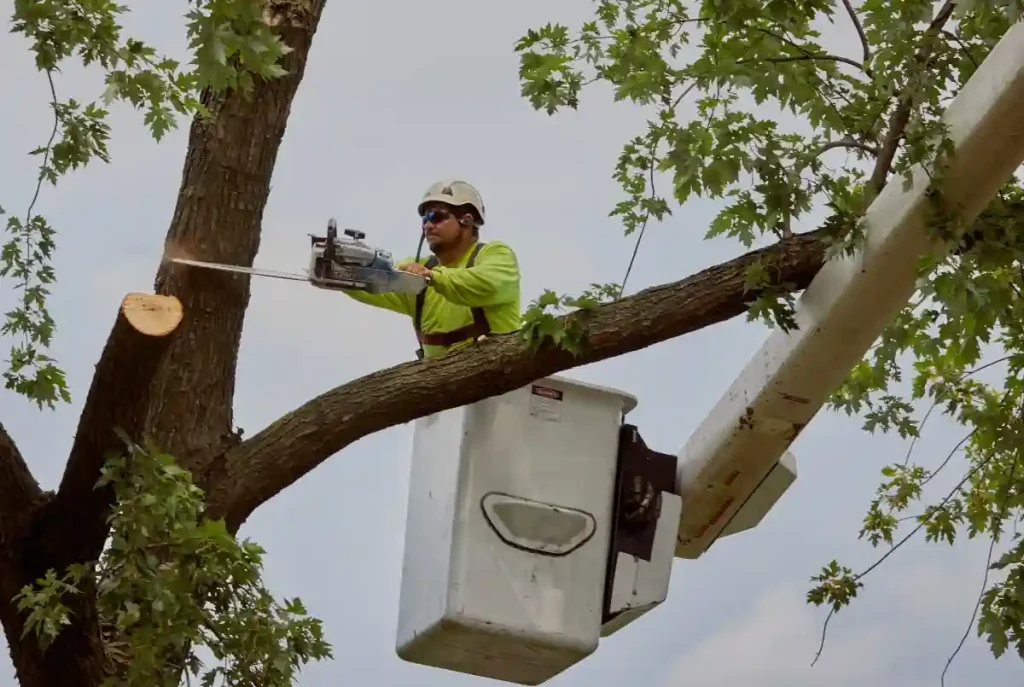
Qualified arborists Sydney residents are trained to assess tree biology, structure, and risk, not just remove limbs. They work to Australian Standards, use proper climbing and rigging methods, and choose pruning techniques that support long-term tree health.

General cutters may focus on speed and appearance, which can lead to weak regrowth, decay, unstable canopies, and higher future costs.

What makes an arborist “qualified” in Sydney?

A qualified arborist typically holds relevant training, carries appropriate insurance, and follows safe work procedures and industry standards. They can explain the “why” behind their recommendations, not just the “what,” and they document risk where needed.

They should also have the right equipment for safe access, controlled lowering near buildings, and site protection during works.

How do qualified arborists improve tree health over time?

They prune with clear objectives such as removing deadwood, reducing weight on weak unions, improving clearance, and managing canopy density without stripping the tree. They also identify pests, diseases, and environmental stress early, then recommend targeted actions like soil improvement, mulching, or remedial pruning.

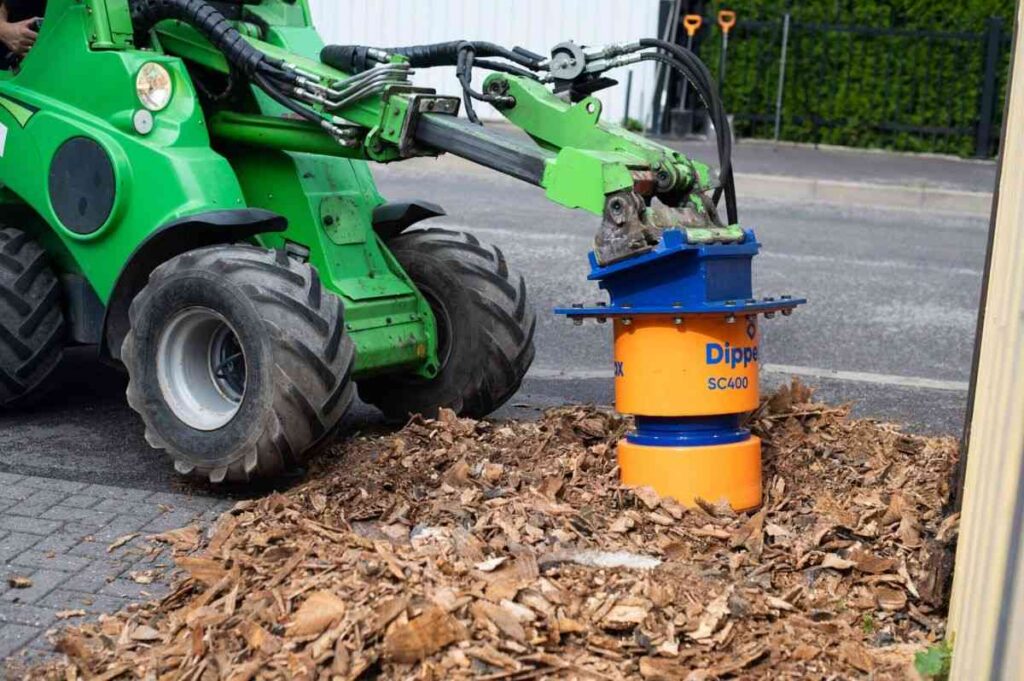
This approach helps trees stay resilient through heat, storms, and urban compaction. Learn more about stump grinding services near you and discover how removal can improve your landscape.

How do professionals manage tree risk and public safety?

They assess defects such as cracks, cavities, poor branch attachments, root damage, and leaning, then weigh likelihood of failure against the consequences. Instead of defaulting to removal, they may recommend reductions, cabling or bracing, exclusion zones, or staged works.

In storm-prone areas, good risk management reduces falling limb incidents and emergency callouts.

Why is poor pruning a safety problem, not just a cosmetic one?

Bad cuts can trigger decay, encourage epicormic growth, and create heavier, weaker branches in the years that follow. Topping and severe lopping often produce fast regrowth that fails more easily, especially in wind and heavy rain.

Qualified arborists avoid these outcomes by pruning to correct points and maintaining the tree’s natural structure.

What role do arborists play in tree removal when it is truly necessary?

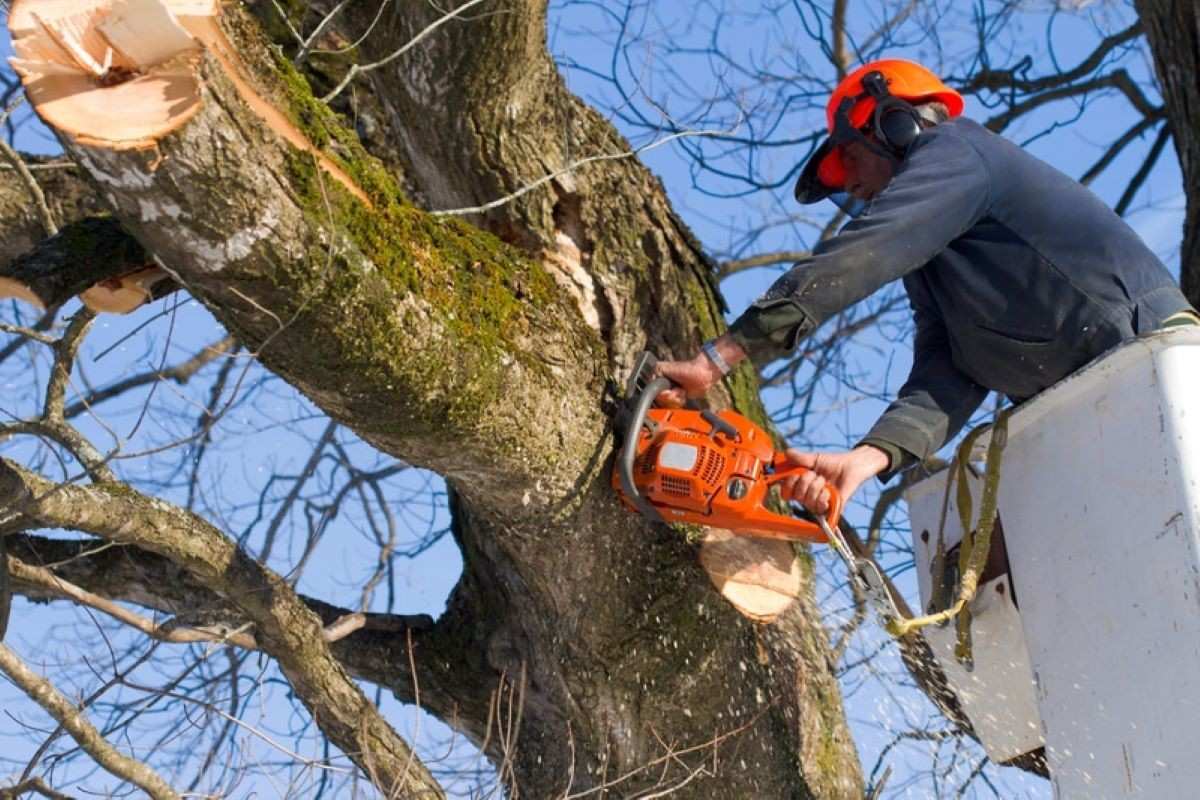
When removal is the safest option, professionals plan it as an engineered operation, not a rough teardown. They assess drop zones, overhead lines, fences, neighbouring structures, and access, then use rigging to lower sections safely.

They can also advise on stump grinding, replanting options, and how to prevent future conflict with buildings and services.

How can Sydney residents tell if they are hiring the right arborist?

They look for clear communication, written quotes, proof of insurance, and a willingness to explain recommendations in plain language. A good arborist does not push unnecessary removals and can outline alternatives and long-term outcomes.

They also provide a scope of work that names the method, not vague promises like “trim tree” or “cut back.”

When should they call an arborist in Sydney?

They should call when trees show dead branches, sudden leaf drop, fungal growth, splitting bark, leaning, or root lifting. It is also smart to book an assessment before renovations, after storms, or when branches begin to encroach on roofs, gutters, solar panels, or power lines.

Early advice is usually cheaper and safer than last-minute emergency work.

arborists Sydney

What is the bottom line on why qualified arborists matter?

Qualified arborists protect people and property while keeping trees healthier for longer. In a city like Sydney, where storms, dense housing, and infrastructure are constant factors, professional assessment and standards-based work prevent avoidable damage and future risk.

For tree health and safety, the cheapest cut is rarely the best decision.

FAQs (Frequently Asked Questions)

Why should Sydney property owners hire qualified arborists instead of general tree cutters?

Qualified arborists in Sydney are trained to assess tree biology, structure, and risk, ensuring pruning supports long-term tree health. They follow Australian Standards, use proper climbing and rigging methods, and avoid practices that lead to weak regrowth or decay. In contrast, general cutters may prioritize speed and appearance over safety and tree vitality, potentially causing unstable canopies and higher future costs.

What qualifications should a Sydney arborist have to be considered professional and reliable?

A qualified Sydney arborist typically holds relevant training certifications, carries appropriate insurance, follows safe work procedures, and adheres to industry standards. They possess the right equipment for safe access and controlled lowering near buildings. Moreover, they provide clear explanations for their recommendations and document risk assessments when necessary.

How do qualified arborists contribute to improving tree health over time in urban environments like Sydney?

Qualified arborists prune trees with objectives such as removing deadwood, reducing weight on weak unions, improving clearance, and managing canopy density without stripping foliage. They identify early signs of pests, diseases, or environmental stress and recommend targeted actions like soil improvement or remedial pruning. This proactive care helps trees remain resilient against heat, storms, and urban compaction common in Sydney.

In what ways do professional arborists manage tree risks to ensure public safety in Sydney?

Professional arborists assess defects such as cracks, cavities, poor branch attachments, root damage, and leaning. They balance the likelihood of failure against potential consequences before deciding on interventions. Instead of defaulting to removal, they may suggest reductions, cabling or bracing, exclusion zones, or staged works to mitigate risks. Effective risk management reduces incidents like falling limbs and emergency callouts during storms.

Why is improper pruning considered a safety hazard rather than just a cosmetic issue?

Poor pruning techniques can trigger decay within the tree and encourage epicormic growth that produces heavier but weaker branches prone to failure during wind or heavy rain. Practices like topping or severe lopping often result in fast regrowth that lacks structural integrity. Qualified arborists avoid these hazards by pruning at correct points while maintaining the natural structure of the tree.

When is tree removal necessary in Sydney, and how do arborists ensure it is conducted safely?

Tree removal becomes necessary when it is the safest option due to significant defects or risks. Qualified arborists plan removals as engineered operations considering drop zones, overhead lines, fences, neighbouring structures, and site access. They use rigging techniques to lower sections safely and advise on stump grinding and replanting options to prevent future conflicts with buildings or services.

stump grinding services near me
Stump Grinding Services Near Me: Why Removal Improves Your Landscape

Stump removal improves safety, makes mowing easier, reduces pest risk, and opens up usable space for landscaping. The right approach depends on the stump’s size, location, and what they want the area to become next.

What is stump grinding, and how does it work?

Stump grinding is the process of using a specialized grinder to shred a stump down below ground level. The operator gradually chips the wood into small mulch-like pieces until the stump is no longer visible.

Most stump grinding services near me removes the stump several inches below grade so the area can be backfilled with soil and reseeded. Roots are usually left in place to decay naturally over time, which avoids major excavation.

Why does removing a stump instantly improve curb appeal?

A stump reads as unfinished work, even in an otherwise tidy yard. Grinding it out creates a cleaner visual line and helps the landscape look intentional rather than interrupted.

Once the stump is gone, they can level the area, restore grass, and blend it into the rest of the lawn. That single change often makes flower beds, walkways, and borders look sharper too.

How does stump removal make a yard safer?

Stumps are common trip hazards, especially when grass grows around them or snow hides them. They also become risky obstacles for kids playing, guests walking at night, and anyone doing yard work.

Grinding removes the raised surface so walk paths, play areas, and work zones are predictable again. It also reduces the chance of damaging lawn equipment that bumps or catches on the stump.

Why can a stump attract pests and unwanted growth?

Old stumps and decaying wood can attract termites, carpenter ants, beetles, and other insects looking for shelter. Even if the stump is not infested yet, it can become a convenient nesting spot close to the home.

Stumps also encourage new shoots or suckers from remaining roots, depending on the species. Grinding reduces that regrowth and makes it easier to control anything that tries to return.

What practical benefits does stump grinding offer for lawn care?

Mowing around a stump forces awkward turns and leaves uncut patches that look messy. Over time, repeated trimming can scalp grass, wear out equipment, and waste time.

Removing the stump gives them full access to mow, edge, fertilize, and irrigate evenly. It also prevents blades from striking hidden wood, which can bend spindles or throw debris.

Where do the wood chips go, and what happens after grinding?

Grinding produces a pile of wood chips mixed with soil. Many crews leave chips on-site for the owner to use as mulch, while others can haul them away if requested.

Afterward, the area is typically filled and leveled with topsoil. They can then seed, lay sod, or prepare the spot for a new bed, patio base, or planting area.

Other Resources : Selling garden landscape materials

When is stump removal better than leaving it to rot naturally?

Letting a stump rot can take years, and it rarely rots evenly. During that time, it can sink, crack, sprout, or become a pest magnet, all while occupying valuable space.

Removal is usually the better choice when they want a smooth lawn, plan to landscape soon, have safety concerns, or need to prevent insects and fungi from spreading.

stump grinding services near me

What should they look for when searching “stump grinding services near me”?

They should look for a company that is insured, clear about how deep they grind, and transparent about what happens to chips and debris. A good provider will ask about fences, gates, underground utilities, and nearby structures before quoting.

It also helps if they explain access needs and whether the price changes based on stump diameter, root flare, and location. Written estimates and straightforward scheduling usually signal a professional operation. To better understand the importance of hiring trained specialists, read about qualified arborists in Sydney and how they contribute to tree health and safety.

What is the simplest next step after stump grinding?

The simplest next step is to decide how they want to use the space and prepare the finish accordingly. For grass, that usually means adding topsoil, compacting lightly, and reseeding or laying sod.

For landscaping, they can use the cleared area for a new plant, a bed extension, a walkway, or extra usable yard space. Either way, grinding turns a dead obstacle into an area they can actually design around.

FAQs (Frequently Asked Questions)

What is stump grinding and how does it improve my yard?

Stump grinding is the process of using a specialized grinder to chip a tree stump down below ground level, turning it into mulch-like pieces. This removes the visible stump, improves safety by eliminating trip hazards, and opens up space for landscaping or lawn care.

Why should I remove a tree stump instead of letting it rot naturally?

Leaving a stump to rot naturally can take years and often results in uneven decay, sinking, cracking, pest attraction, and unwanted regrowth. Removing the stump provides a smooth lawn surface, reduces pest risks, enhances safety, and allows you to use the space for new landscaping or lawn activities sooner.

How does stump removal enhance curb appeal?

A visible stump looks like unfinished work and disrupts the clean lines of your yard. Grinding it out creates a cleaner visual line, allowing you to restore grass or plant new landscaping seamlessly, which makes flower beds, walkways, and borders appear sharper and more intentional.

What are the safety benefits of removing tree stumps from my yard?

Tree stumps pose trip hazards hidden by grass or snow and can be obstacles for children playing or guests walking at night. Removing stumps eliminates these risks and prevents damage to lawn equipment caused by bumping into raised wood surfaces.

What happens to the wood chips after stump grinding?

Wood chips produced during stump grinding are typically left on-site as mulch for the property owner to use. Alternatively, some services offer to haul away the chips upon request. After grinding, the area is usually filled with topsoil and prepared for reseeding, sodding, or new landscaping.

What should I consider when choosing a stump grinding service near me?

Look for an insured company that clearly explains how deep they grind and what they do with chips and debris. A professional service will assess access issues like fences or underground utilities before quoting prices that may vary based on stump size and location. Written estimates and clear scheduling are also good signs of reliability.