Hiring the right professional is less about getting branches cut and more about getting the right decisions made before anything is cut.
Why should Sydney property owners use qualified arborists instead of general cutters?
Qualified arborists Sydney residents are trained to assess tree biology, structure, and risk, not just remove limbs. They work to Australian Standards, use proper climbing and rigging methods, and choose pruning techniques that support long-term tree health.
General cutters may focus on speed and appearance, which can lead to weak regrowth, decay, unstable canopies, and higher future costs.
What makes an arborist “qualified” in Sydney?
A qualified arborist typically holds relevant training, carries appropriate insurance, and follows safe work procedures and industry standards. They can explain the “why” behind their recommendations, not just the “what,” and they document risk where needed.
They should also have the right equipment for safe access, controlled lowering near buildings, and site protection during works.
How do qualified arborists improve tree health over time?
They prune with clear objectives such as removing deadwood, reducing weight on weak unions, improving clearance, and managing canopy density without stripping the tree. They also identify pests, diseases, and environmental stress early, then recommend targeted actions like soil improvement, mulching, or remedial pruning.
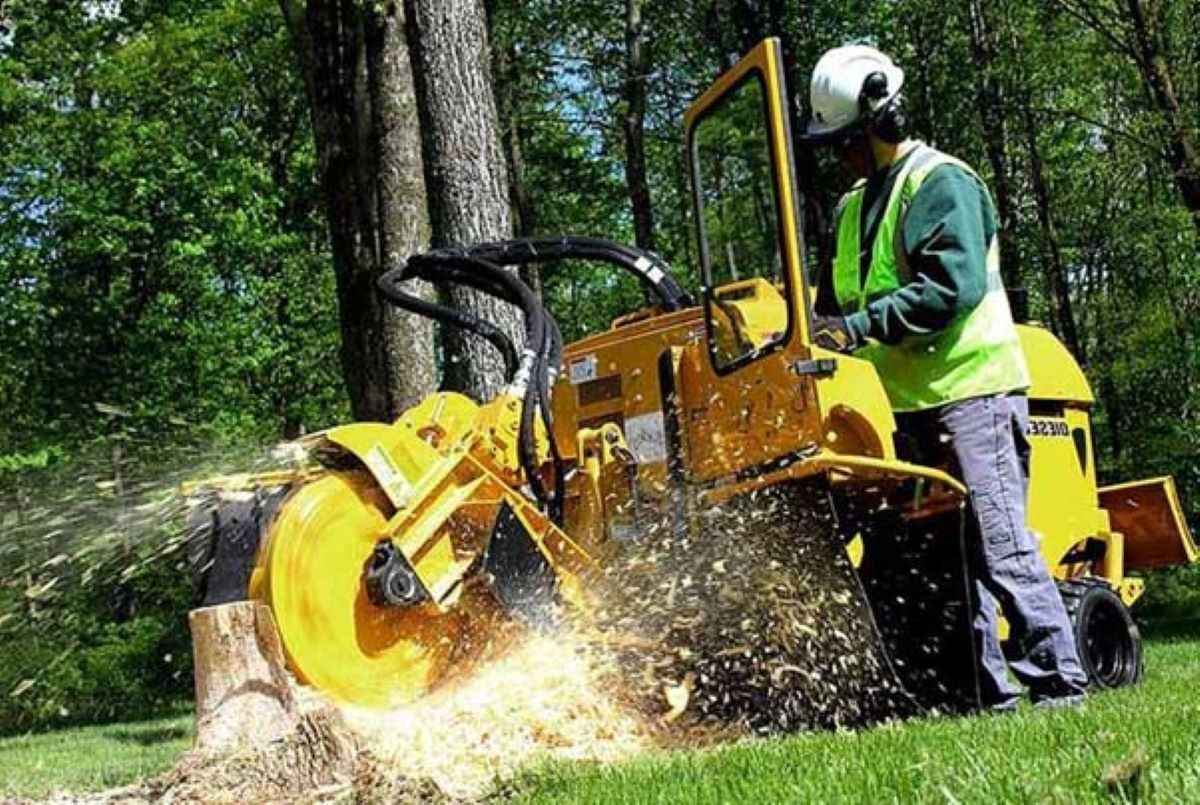
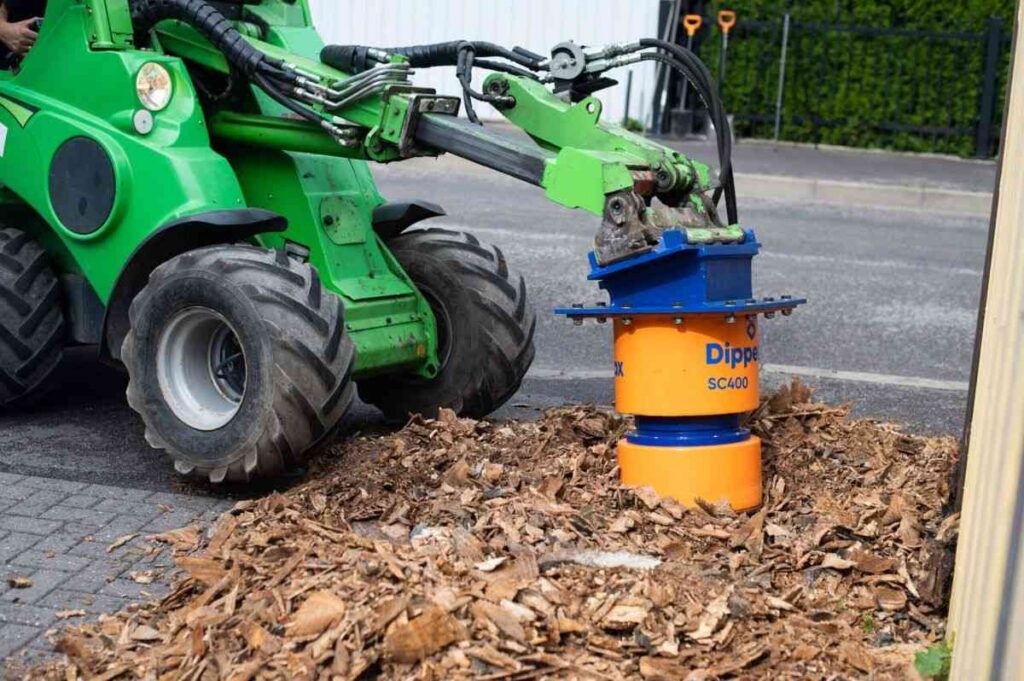
This approach helps trees stay resilient through heat, storms, and urban compaction. Learn more about stump grinding services near you and discover how removal can improve your landscape.
How do professionals manage tree risk and public safety?
They assess defects such as cracks, cavities, poor branch attachments, root damage, and leaning, then weigh likelihood of failure against the consequences. Instead of defaulting to removal, they may recommend reductions, cabling or bracing, exclusion zones, or staged works.
In storm-prone areas, good risk management reduces falling limb incidents and emergency callouts.
Why is poor pruning a safety problem, not just a cosmetic one?
Bad cuts can trigger decay, encourage epicormic growth, and create heavier, weaker branches in the years that follow. Topping and severe lopping often produce fast regrowth that fails more easily, especially in wind and heavy rain.
Qualified arborists avoid these outcomes by pruning to correct points and maintaining the tree’s natural structure.
What role do arborists play in tree removal when it is truly necessary?
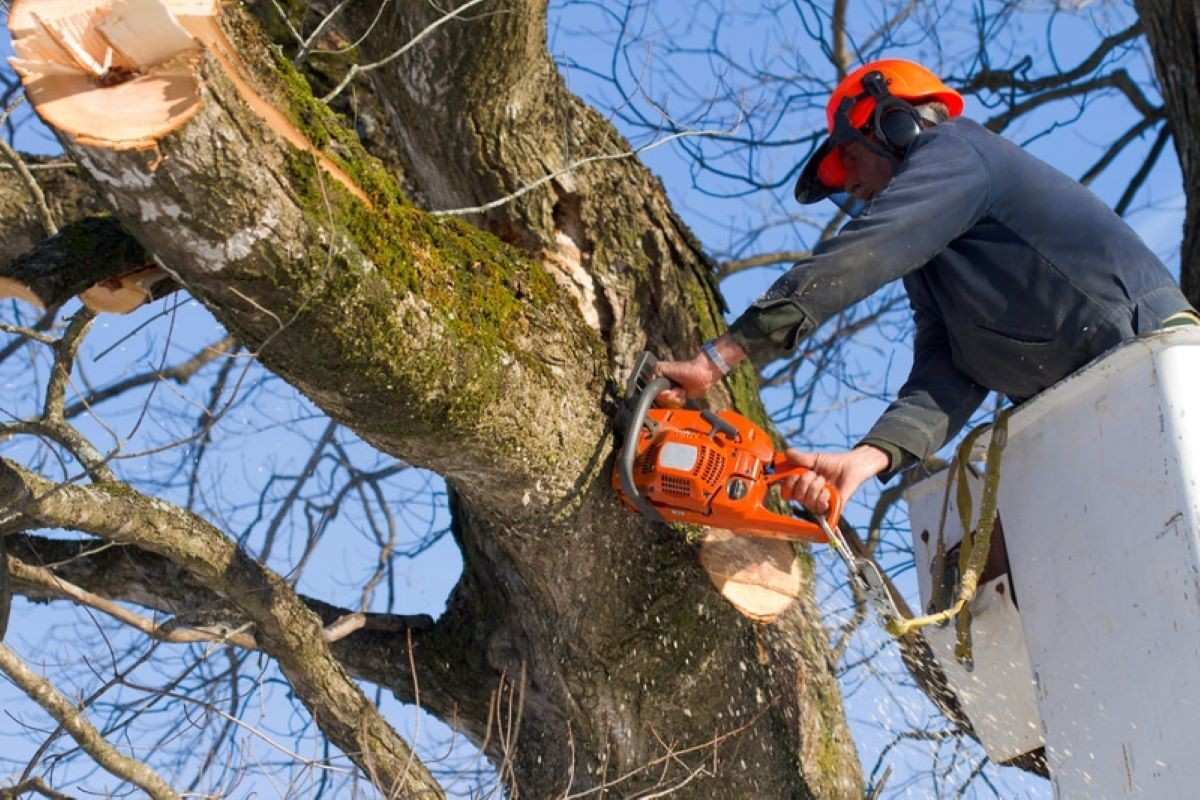
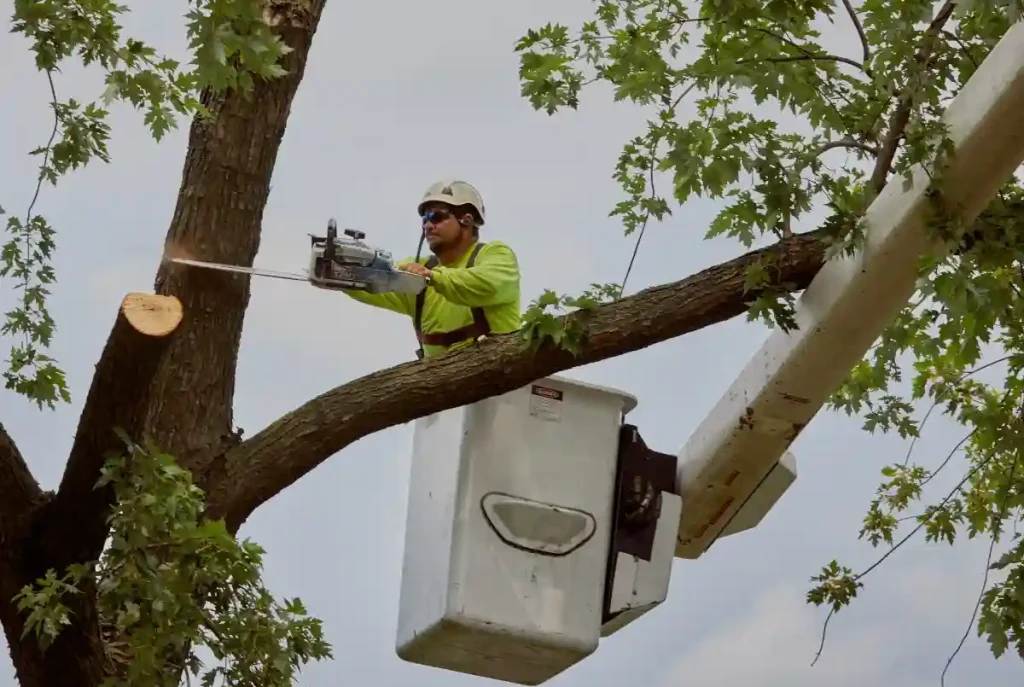
When removal is the safest option, professionals plan it as an engineered operation, not a rough teardown. They assess drop zones, overhead lines, fences, neighbouring structures, and access, then use rigging to lower sections safely.
They can also advise on stump grinding, replanting options, and how to prevent future conflict with buildings and services.
How can Sydney residents tell if they are hiring the right arborist?
They look for clear communication, written quotes, proof of insurance, and a willingness to explain recommendations in plain language. A good arborist does not push unnecessary removals and can outline alternatives and long-term outcomes.
They also provide a scope of work that names the method, not vague promises like “trim tree” or “cut back.”
When should they call an arborist in Sydney?
They should call when trees show dead branches, sudden leaf drop, fungal growth, splitting bark, leaning, or root lifting. It is also smart to book an assessment before renovations, after storms, or when branches begin to encroach on roofs, gutters, solar panels, or power lines.
Early advice is usually cheaper and safer than last-minute emergency work.
What is the bottom line on why qualified arborists matter?
Qualified arborists protect people and property while keeping trees healthier for longer. In a city like Sydney, where storms, dense housing, and infrastructure are constant factors, professional assessment and standards-based work prevent avoidable damage and future risk.
For tree health and safety, the cheapest cut is rarely the best decision.
FAQs (Frequently Asked Questions)
Why should Sydney property owners hire qualified arborists instead of general tree cutters?
Qualified arborists in Sydney are trained to assess tree biology, structure, and risk, ensuring pruning supports long-term tree health. They follow Australian Standards, use proper climbing and rigging methods, and avoid practices that lead to weak regrowth or decay. In contrast, general cutters may prioritize speed and appearance over safety and tree vitality, potentially causing unstable canopies and higher future costs.
What qualifications should a Sydney arborist have to be considered professional and reliable?
A qualified Sydney arborist typically holds relevant training certifications, carries appropriate insurance, follows safe work procedures, and adheres to industry standards. They possess the right equipment for safe access and controlled lowering near buildings. Moreover, they provide clear explanations for their recommendations and document risk assessments when necessary.
How do qualified arborists contribute to improving tree health over time in urban environments like Sydney?
Qualified arborists prune trees with objectives such as removing deadwood, reducing weight on weak unions, improving clearance, and managing canopy density without stripping foliage. They identify early signs of pests, diseases, or environmental stress and recommend targeted actions like soil improvement or remedial pruning. This proactive care helps trees remain resilient against heat, storms, and urban compaction common in Sydney.
In what ways do professional arborists manage tree risks to ensure public safety in Sydney?
Professional arborists assess defects such as cracks, cavities, poor branch attachments, root damage, and leaning. They balance the likelihood of failure against potential consequences before deciding on interventions. Instead of defaulting to removal, they may suggest reductions, cabling or bracing, exclusion zones, or staged works to mitigate risks. Effective risk management reduces incidents like falling limbs and emergency callouts during storms.
Why is improper pruning considered a safety hazard rather than just a cosmetic issue?
Poor pruning techniques can trigger decay within the tree and encourage epicormic growth that produces heavier but weaker branches prone to failure during wind or heavy rain. Practices like topping or severe lopping often result in fast regrowth that lacks structural integrity. Qualified arborists avoid these hazards by pruning at correct points while maintaining the natural structure of the tree.
When is tree removal necessary in Sydney, and how do arborists ensure it is conducted safely?
Tree removal becomes necessary when it is the safest option due to significant defects or risks. Qualified arborists plan removals as engineered operations considering drop zones, overhead lines, fences, neighbouring structures, and site access. They use rigging techniques to lower sections safely and advise on stump grinding and replanting options to prevent future conflicts with buildings or services.